



The Reserve Bank of India (RBI) has put forth a significant proposal aimed at curbing excessive incentives for bank employees, which it believes could lead to the mis-selling of financial products. This initiative is part of a broader effort to enhance consumer protection and ensure transparency in the marketing of financial services. According to the draft regulations, financial institutions would be required to obtain explicit consent from customers before initiating any marketing calls, a move designed to respect consumer privacy and preferences. Furthermore, the RBI has suggested that these marketing communications should be limited to regular office hours, preventing disturbances during inconvenient times. This proposed framework is expected to reshape how banks and financial institutions engage with potential customers, ensuring that marketing practices are ethical and adhere to consumer rights. The emphasis on obtaining customer consent aligns with global best practices in financial services, where customer experience and trust are paramount. By implementing these guidelines, the RBI aims to foster a more responsible banking environment, where customers are adequately informed and empowered to make sound financial decisions without undue pressure from aggressive sales tactics. The draft rules also underline the importance of transparency in disclosing product features, risks, and costs to customers, thereby enhancing their understanding of the financial products being offered. This proactive approach by the RBI is likely to resonate well with consumers who have increasingly expressed concerns over mis-selling practices and unsolicited marketing calls. As the financial landscape evolves, the RBI’s focus on consumer protection and ethical marketing practices may serve as a critical step toward restoring faith in the banking sector. Financial institutions are now encouraged to reassess their marketing strategies in light of these proposed regulations, prioritizing customer consent and ethical engagement. As the draft rules undergo public consultation, stakeholders across the banking and financial services industry are closely monitoring developments, recognizing the potential impact on their operations and customer relations. The RBI’s initiative not only addresses current consumer grievances but also sets a precedent for future regulations aimed at promoting fair practices in the financial sector. In conclusion, the RBI’s proposed curbs on bank incentives and the guidelines for marketing financial products reflect a commitment to safeguarding consumer interests in India’s banking system. By advocating for consent-based marketing practices and limiting contact hours, the RBI is taking a decisive step toward enhancing accountability and trust in financial services, ultimately benefiting consumers and the overall integrity of the banking industry in India.
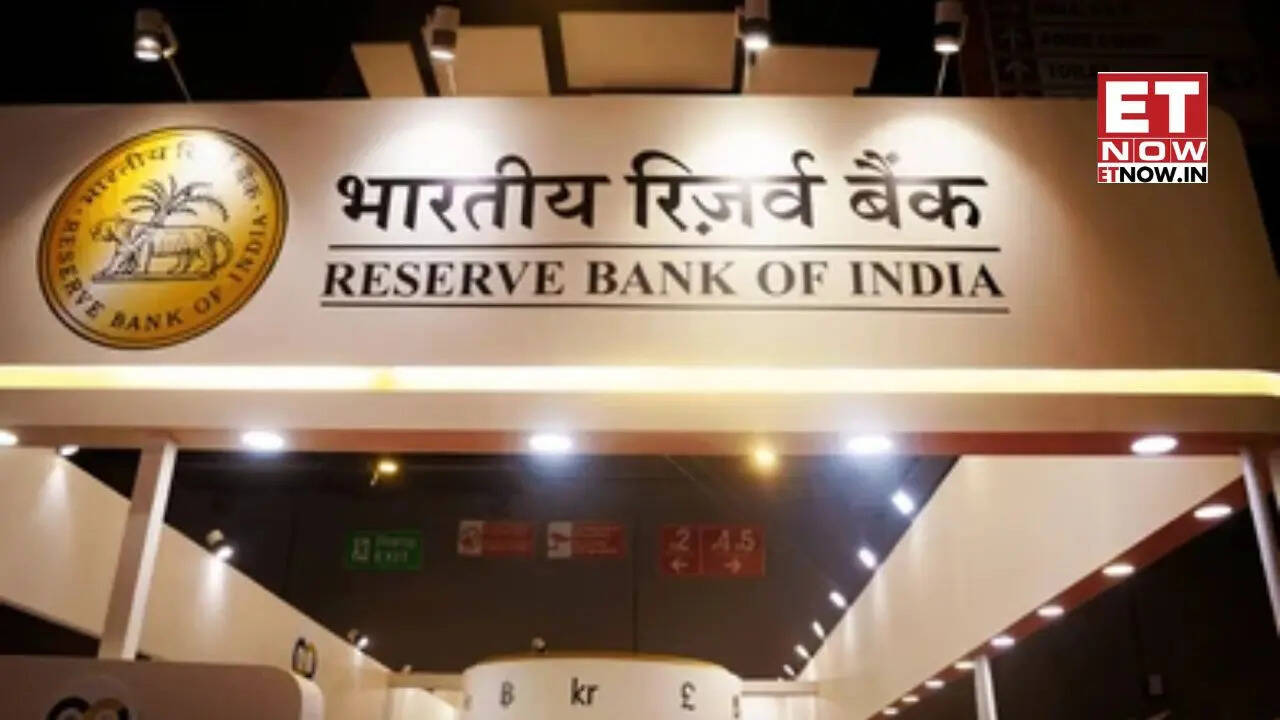
RBI Proposes New Rules to Curb Bank Incentives and Prevent Mis-Selling of Financial Products with Customer Consent.
You May Also Like



More From Author



“Sunny Deol’s Blockbuster ‘Border 2’ Premieres on Netflix March 20 After Rs 350 Crore Box Office Success”