



In a significant move aimed at enhancing consumer protection, the Reserve Bank of India (RBI) has introduced stringent regulations for loan recovery agents operating within the financial sector. The newly proposed guidelines mandate that banks establish comprehensive protocols regarding the conduct and operations of these agents, thereby ensuring that all recovery practices align with ethical standards and legal requirements. Central to these guidelines is the imperative to safeguard customer information, as the RBI emphasizes the crucial need to prevent any potential misuse of sensitive data held by agents or bank employees. This regulatory shift comes in response to growing concerns about aggressive recovery practices that may adversely affect borrowers, particularly in a country where financial literacy is still evolving. By mandating banks to create clear operational frameworks, the RBI seeks to promote fair treatment of borrowers and instill confidence in the lending process. The guidelines also highlight the necessity for transparent communication between banks and their customers, reinforcing the importance of ethical standards in loan recovery practices. As a result, banks will be required to ensure that recovery agents are adequately trained to handle sensitive customer information and conduct operations in a manner that respects borrower rights. The RBI’s proactive approach reflects an understanding of the challenges faced by consumers in the current economic landscape, particularly in an age where data privacy is paramount. By implementing these regulations, the RBI aims to create a more balanced relationship between banks and borrowers, fostering an environment where financial institutions operate with greater accountability. This initiative is expected to resonate well with consumers, who have increasingly voiced their concerns over the often-harsh tactics employed by loan recovery agents. Moreover, it reinforces the RBI’s commitment to consumer protection and financial inclusion, ensuring that all stakeholders in the lending process are treated fairly and equitably. In a broader context, these guidelines may also serve to enhance the overall reputation of the Indian banking sector, as adherence to ethical practices becomes a focal point in restoring trust among consumers. As banks begin to implement these new regulations, the financial landscape in India is set to evolve, with a clearer emphasis on responsible lending and borrowing practices. The RBI’s decision to tighten rules for loan recovery agents is not only timely but necessary, as it addresses pressing issues within the financial ecosystem and promotes a culture of transparency and accountability. Stakeholders across the banking sector are encouraged to engage with these guidelines proactively, ensuring that adherence becomes ingrained in their operational frameworks. Ultimately, this regulatory initiative represents a crucial step towards fostering a more consumer-friendly banking environment in India, where the rights and interests of borrowers are prioritized. As the RBI continues to monitor the implementation of these guidelines, it is expected that further enhancements will be made to protect consumers and uphold the integrity of the financial system. In conclusion, the RBI’s tightening of rules for loan recovery agents marks a pivotal moment in the Indian banking sector, reflecting a commitment to ethical practices and consumer rights. As these guidelines take effect, it is anticipated that the relationship between banks and borrowers will undergo a positive transformation, paving the way for a more equitable and transparent financial landscape in India.
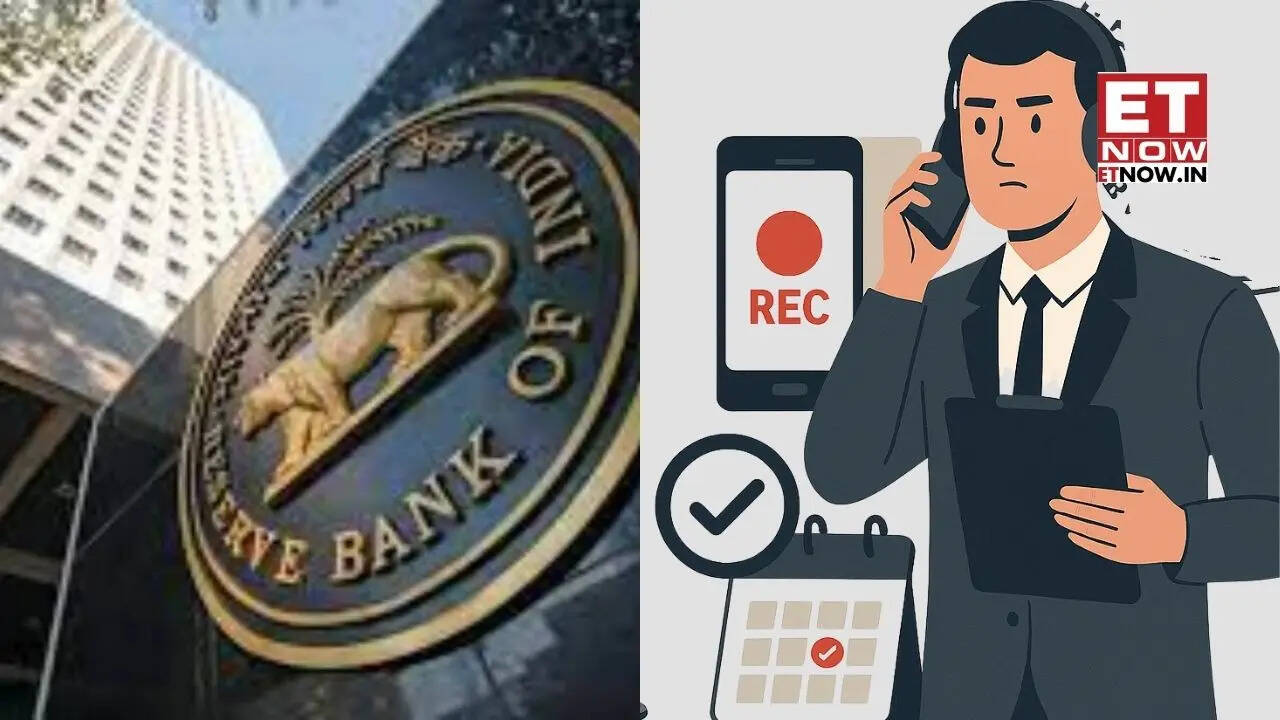
RBI Implements Stricter Rules for Loan Recovery Agents to Protect Customer Information and Ensure Ethical Practices
You May Also Like



More From Author