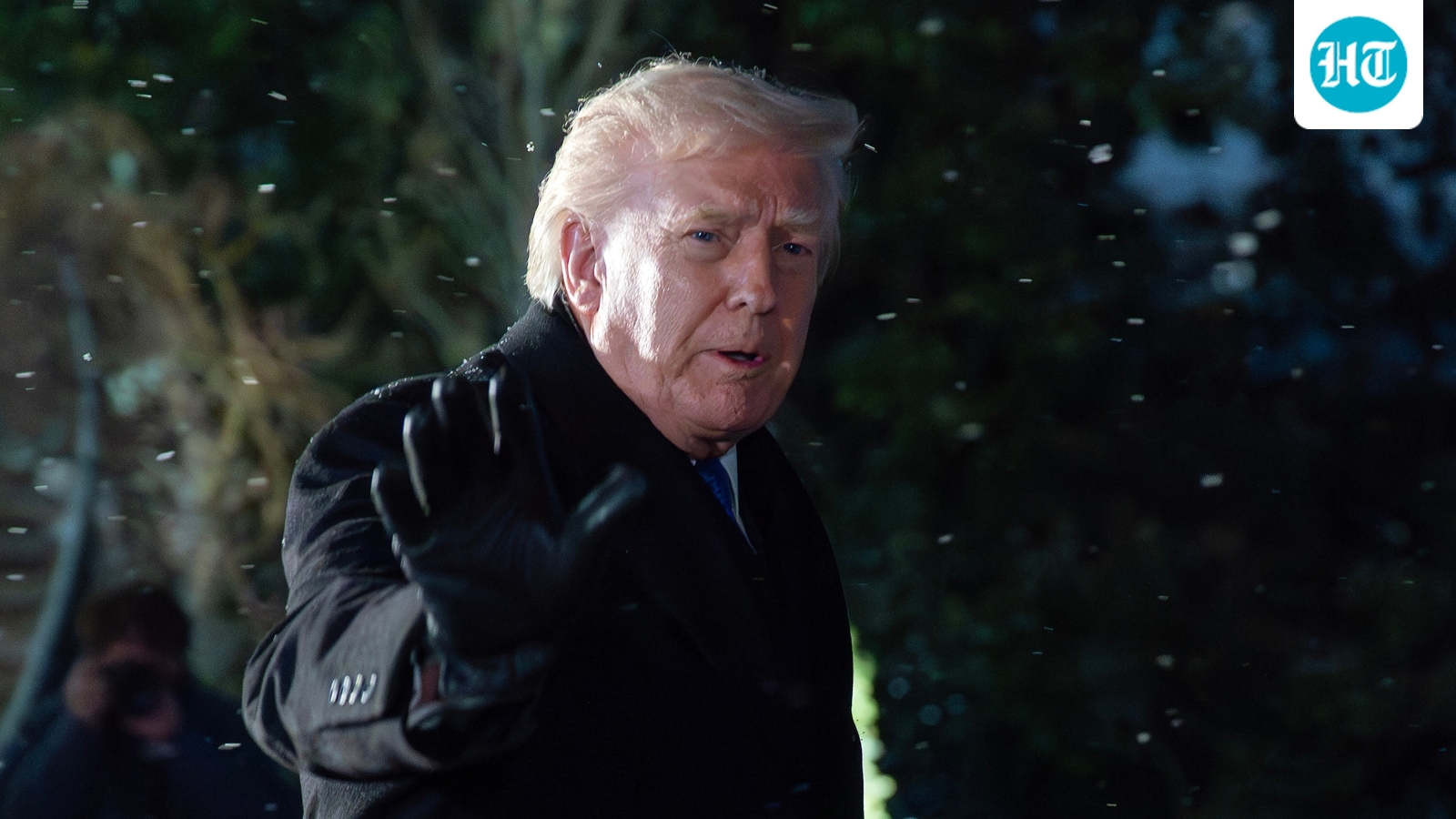



In a significant move that is set to reshape the landscape of international trade, former President Donald Trump announced in 2025 the imposition of tariffs on steel and aluminum imports, reaching as high as 50%. This policy targets not only the base metals themselves but also encompasses the non-steel and non-aluminum components in imported goods, a decision that has stirred debate among economists and industry leaders. The tariffs are part of a broader strategy aimed at bolstering domestic manufacturing and protecting American jobs, particularly in the steel and aluminum sectors, which have faced stiff competition from foreign markets. By raising import costs, the Trump administration seeks to level the playing field for American producers, who argue that they have been adversely affected by cheaper imports, particularly from countries like China and India. This tariff increase comes at a time when the global economy is still grappling with the ramifications of the COVID-19 pandemic, which has disrupted supply chains and created volatility in commodity prices. Critics of the tariffs warn that such protectionist measures could lead to retaliatory actions from trading partners, potentially igniting a trade war that could harm not only the U.S. economy but also the global market. Furthermore, the increased costs associated with these tariffs may ultimately be passed on to consumers, leading to higher prices for everyday goods that rely on steel and aluminum in their production. Industry analysts are closely monitoring the situation, noting that while the tariffs may provide short-term relief for domestic producers, they could also stifle innovation and competitiveness in the long run. Companies that rely on imported metals for their manufacturing processes may be forced to explore alternative sourcing options, which could lead to long-term shifts in supply chains. As the implications of these tariffs unfold, stakeholders across various sectors are grappling with the potential impacts on their businesses and the broader economy. In India, where the steel and aluminum industries are significant contributors to the economy, the announcement has raised concerns among exporters who may face diminished access to the lucrative U.S. market. The Indian government is expected to respond to these tariffs, potentially leading to negotiations aimed at mitigating the adverse effects on bilateral trade. As global economic dynamics continue to evolve, the ramifications of Trump’s tariff policy will be closely watched by industry experts, policymakers, and consumers alike. The long-term effects on the U.S. economy, the steel and aluminum industries, and international trade relations remain uncertain, but one thing is clear: these tariffs represent a bold assertion of protectionist policy in an increasingly interconnected world. As the dust settles on this announcement, stakeholders will need to navigate a complex landscape of trade regulations, pricing pressures, and geopolitical considerations that are sure to shape the future of manufacturing and trade in the years to come.