



In the third quarter of fiscal year 2026 (Q3FY26), the two-wheeler export market in India experienced significant volatility, primarily driven by uneven demand across various international markets. The exports of two-wheelers, which include motorcycles and scooters, faced fluctuations as manufacturers struggled to navigate the complexities of global supply chains and changing consumer preferences. This period saw a diverse range of factors influencing export performance, including economic conditions in key markets, competitive pricing pressures, and evolving regulatory frameworks. The demand for two-wheelers in markets such as Africa, Latin America, and parts of Southeast Asia exhibited notable inconsistencies, leading to a mixed performance in export numbers. While some regions recorded robust growth in demand, others faced a decline, primarily due to economic uncertainties and shifts in consumer spending habits. Indian manufacturers, known for their cost-effective production capabilities and innovative designs, found both opportunities and challenges in catering to these varying demands. As companies ramped up production to meet anticipated growth in certain markets, they also had to contend with the risks of overproduction in areas where demand was waning. Additionally, the ongoing global semiconductor shortage continued to impact the automotive sector, causing delays in production and affecting the timely delivery of two-wheelers to international markets. Companies were also compelled to adapt their marketing strategies to align with local preferences, which varied significantly from one region to another. The Indian two-wheeler industry’s reliance on exports has become increasingly critical, with a substantial portion of manufacturers’ revenues derived from international sales. As a result, fluctuations in demand not only affect production schedules but also have broader implications for employment and investment in the sector. In response to these challenges, many two-wheeler manufacturers are exploring diversification strategies, including the development of electric two-wheelers to tap into the growing global demand for sustainable transportation solutions. This shift not only aligns with global trends but also positions Indian manufacturers as competitive players in the emerging EV market. Industry analysts suggest that the recovery of the two-wheeler export market may hinge on several factors, including the stabilization of global supply chains, improved economic conditions in key export markets, and the successful adaptation of manufacturers to meet evolving consumer demands. As the fiscal year progresses, stakeholders in the two-wheeler industry are closely monitoring these trends to strategize effectively for the future. Overall, the volatility observed in Q3FY26 underscores the need for agility and resilience among Indian two-wheeler manufacturers as they navigate the complexities of the global marketplace. The focus on innovation, sustainability, and understanding of local market dynamics will be crucial for enhancing export performance and ensuring long-term growth in an increasingly competitive environment.



Recent Posts
- “Strategist: U.S. Likely to Avoid Attacking Iranian Oil Infrastructure Amid Efforts to Lower Energy Prices”
- “Stocks to Watch February 19: SAIL, HUL, Adani Ports, and More Amid Investments and Renewable Energy Trends”
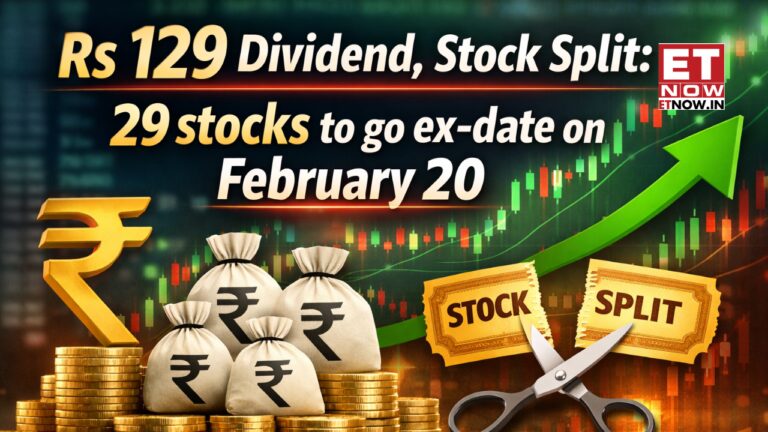
- “Major Stocks Go Ex-Date Tomorrow: Alkem Labs Leads with Rs 43 Dividend Amid Total Payouts of Rs 128.86”
- Gold Prices Dip on February 19 Amid Profit Booking, Spot Gold at USD 4,967.24, Northern India Prices Stable
- Imports Surge to $71.24 Billion, Igniting Larger Deficit and Exceeding Market Expectations by Nearly $45 Billion
Recent Comments
No comments to show.
Archives
Categories
- Automobile Newsc
- Banking
- carving out a notorious reputation that positioned him as a rare rival to the infamous Dawood Ibrahim. Ustara
- Corporate News
- Crypto & Blockchain
- Economy & Policy
- Elections & Politics
- Entertainment Buzz
- Exams & Results
- Income Tax & Compliance
- Infrastructure & Projects
- is also home to some of the wealthiest individuals in India. This article highlights the ten richest men linked to Bihar
- Jobs & Careers
- Luxury & Lifestyle
- Market News
- Market Pulse
- Mutual Funds
- Personal Finance
- Real Estate
- Success Stories
- Technology & Innovation
- Trading Markets
- Video News