



In a recent statement, Vinay Dube, Founder and CEO of Akasa Air, highlighted the pivotal role of an employee-centric culture in shaping organizational responses and overall workplace dynamics. “Without an employee-centric culture, you would get a robotic response. Within an employee-centric culture, you would get a spirited response,” he noted, underscoring the necessity for businesses to foster an environment where employees feel valued and engaged. This perspective is increasingly relevant as companies in India and beyond navigate the complexities of a post-pandemic work landscape. Dube’s insights come at a time when the emphasis on employee well-being and satisfaction is more pronounced than ever, with many organizations recognizing that a motivated workforce is essential for innovation, productivity, and competitive advantage. The transition towards an employee-centric culture is not merely a trend but a strategic imperative that can lead to enhanced employee loyalty, reduced turnover rates, and improved overall performance. By prioritizing the needs and aspirations of employees, companies can cultivate a workplace atmosphere that encourages creativity and collaboration, ultimately resulting in a more agile and resilient organizational structure. Akasa Air, under Dube’s leadership, serves as a case study in the successful implementation of these principles, showcasing how a strong focus on employee engagement can translate into exceptional customer service and operational efficiency. As the aviation industry in India continues to recover and grow, organizations are increasingly looking to build a robust employee-centric culture to attract and retain top talent. This approach not only enhances employee satisfaction but also aligns with the broader goals of business sustainability and corporate responsibility. Effective communication, recognition programs, and opportunities for professional development are just a few strategies that organizations can employ to foster an employee-centric environment. Additionally, leveraging technology to facilitate feedback and engagement can further enhance the employee experience. As industry leaders like Vinay Dube advocate for these cultural shifts, it becomes clear that the future of work in India is increasingly leaning towards valuing human capital as a key driver of success. This transformation is essential for businesses aiming to thrive in a competitive market landscape. In conclusion, the statement by Vinay Dube encapsulates a vital truth about modern workplaces: an employee-centric culture is not just beneficial but necessary for fostering spirited responses that propel organizations forward. As Indian companies embrace this ethos, they can look forward to creating a more engaged, innovative, and ultimately successful workforce.
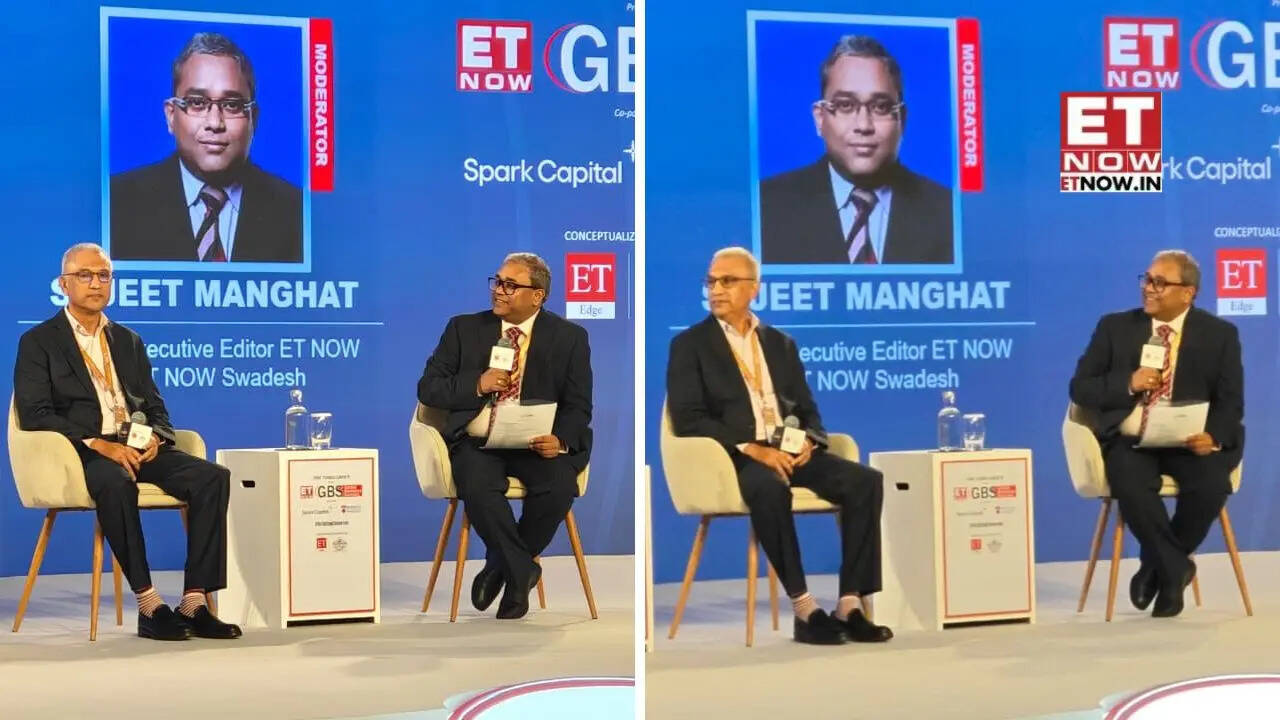
“Akasa Air’s Vinay Dube Advocates for Employee-Centric Culture to Foster Engagement and Innovation at GBS 2026”
You May Also Like


More From Author



BLS E-Services to Acquire Atyati Technologies for Rs 154 Crore, Enhancing Financial Inclusion Operations by March 2026
