


In January 2026, India’s unemployment rate experienced an uptick to 5%, a notable increase from the previous month’s rate of 4.8%. This rise in unemployment is accompanied by a decline in both workforce participation and the worker population ratio, indicating a concerning trend in the country’s labor market. The data reveals that both urban and rural areas have seen a month-on-month increase in unemployment rates, reflecting a broader economic challenge that may affect millions of job seekers across the nation. As the Indian economy grapples with various issues, including inflation and slow recovery post-pandemic, these statistics point towards a pressing need for effective job creation strategies and policies aimed at revitalizing the labor market. The decline in workforce participation suggests that many individuals may be discouraged from seeking employment, potentially due to a lack of available jobs or unfavorable working conditions. In urban areas, the rise in unemployment could be attributed to several factors, including the impact of technological advancements that are reshaping industries and displacing traditional jobs. Meanwhile, rural unemployment remains a critical concern, as agricultural sectors continue to face challenges from erratic weather patterns and fluctuating market prices. This situation emphasizes the importance of implementing sustainable agricultural practices and providing adequate support to rural communities. Economic experts and policymakers are now tasked with addressing these issues to ensure a robust recovery of the job market. Initiatives that focus on skill development, entrepreneurship, and investment in emerging sectors could play a significant role in curbing rising unemployment rates. Furthermore, the government may need to enhance social safety nets to support those affected by job losses, particularly in vulnerable communities. The latest unemployment figures serve as a reminder of the ongoing challenges within India’s labor market and the urgent need for comprehensive strategies to foster employment growth. As the country moves forward, stakeholders across various sectors must collaborate to create a more resilient economy that offers equitable opportunities for all citizens, thereby reducing the unemployment rate and improving overall workforce participation. The current landscape underscores the need for continuous monitoring and evaluation of employment trends to inform policy decisions and promote sustainable economic development in India.
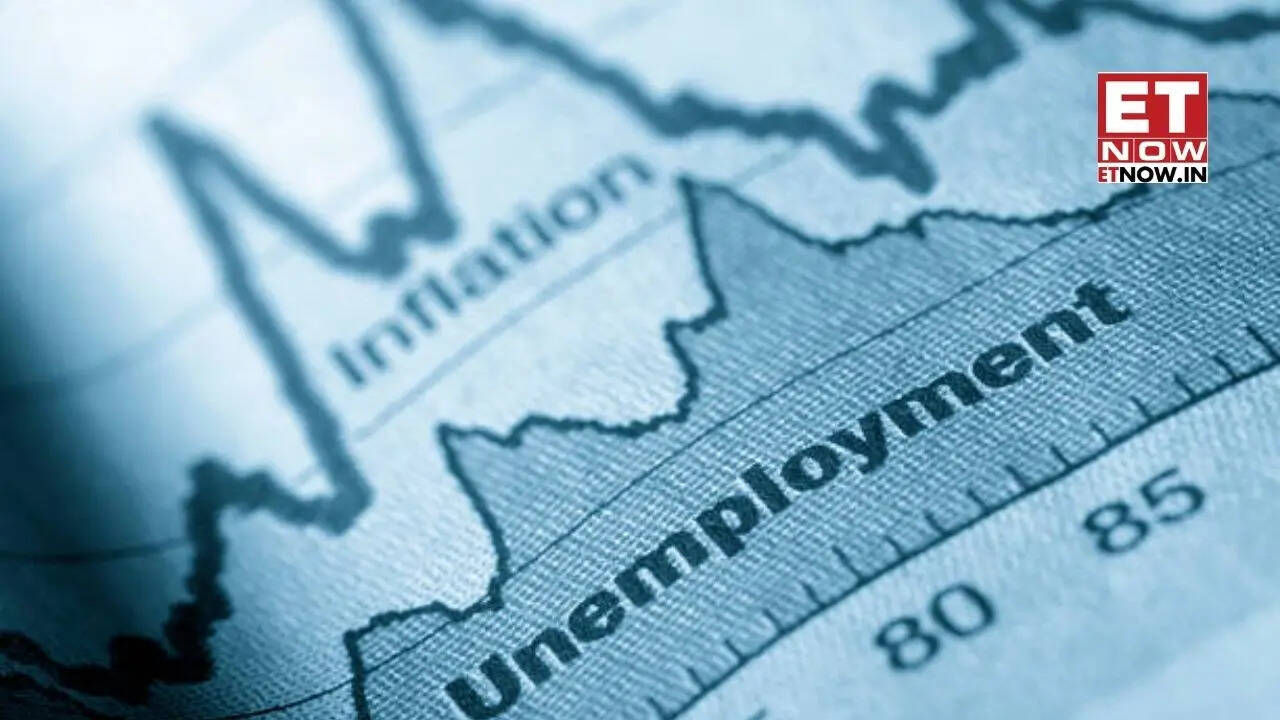
India’s Unemployment Rate Hits 5% in January 2026 as Workforce Participation Declines in Urban and Rural Areas
You May Also Like



More From Author



“Power Grid Soars 4.63% as Indian Stocks Rally; HDFC Bank and Coal India Also See Gains”
