



The anticipated easing of rare-earth supply is projected to propel electric two-wheeler (E2W) volume growth in India to an impressive 16-18 percent in the upcoming fiscal year, according to a recent report by Crisil Ratings. This marks a notable increase from the current fiscal year, where growth has moderated to 12-13 percent due to ongoing supply chain challenges. The report indicates that the electric two-wheeler market experienced a robust growth rate of 22 percent in the previous fiscal year. The current slowdown in E2W growth can be attributed to temporary disruptions in the supply of rare-earth magnets, as well as recent rationalizations in goods and services tax (GST) on internal combustion engine (ICE) models. Crisil Ratings highlights that the shortage of rare-earth magnets significantly impacted E2W volumes around mid-year. However, as supply availability improves and coincides with the GST-induced price adjustments in ICE models, original equipment manufacturers (OEMs) have strategically turned to discounting and introduced more affordable electric two-wheeler options to bridge the price gap between ICE and electric vehicles. This strategic shift has contributed to a recovery in E2W volumes, enhancing the overall growth trajectory of the electric vehicle market in India. As the country aims to transition towards sustainable transportation, the easing of rare-earth supply is expected to play a crucial role in driving the adoption of electric two-wheelers. The increasing focus on electric mobility, bolstered by government initiatives and growing consumer awareness, is set to further accelerate the growth of the electric two-wheeler segment in India. With the market poised for a rebound, stakeholders in the electric vehicle industry are optimistic about the future, anticipating a favorable environment for both manufacturers and consumers in the coming fiscal year. The ongoing developments in the electric two-wheeler landscape highlight the importance of addressing supply chain constraints and enhancing the availability of critical components like rare-earth magnets, which are essential for the production of electric vehicles. As the Indian government continues to promote electric mobility through various incentives and policy measures, the electric two-wheeler market is likely to gain momentum, creating new opportunities for growth and innovation. In summary, the easing of rare-earth supply is expected to significantly benefit the electric two-wheeler sector in India, driving volume growth and contributing to the country’s broader goals of sustainable transportation and reduced carbon emissions. With a projected growth rate of 16-18 percent in the next fiscal year, the electric two-wheeler market is on the cusp of a transformative phase, positioning itself as a key player in the future of mobility in India.


Recent Posts
- “Strategist: U.S. Likely to Avoid Attacking Iranian Oil Infrastructure Amid Efforts to Lower Energy Prices”
- “Stocks to Watch February 19: SAIL, HUL, Adani Ports, and More Amid Investments and Renewable Energy Trends”
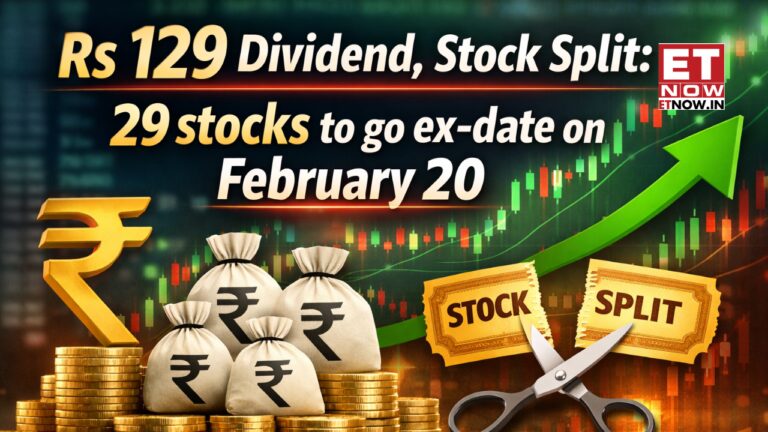
- “Major Stocks Go Ex-Date Tomorrow: Alkem Labs Leads with Rs 43 Dividend Amid Total Payouts of Rs 128.86”
- Gold Prices Dip on February 19 Amid Profit Booking, Spot Gold at USD 4,967.24, Northern India Prices Stable
- Imports Surge to $71.24 Billion, Igniting Larger Deficit and Exceeding Market Expectations by Nearly $45 Billion
Recent Comments
No comments to show.
Archives
Categories
- Automobile Newsc
- Banking
- carving out a notorious reputation that positioned him as a rare rival to the infamous Dawood Ibrahim. Ustara
- Corporate News
- Crypto & Blockchain
- Economy & Policy
- Elections & Politics
- Entertainment Buzz
- Exams & Results
- Income Tax & Compliance
- Infrastructure & Projects
- is also home to some of the wealthiest individuals in India. This article highlights the ten richest men linked to Bihar
- Jobs & Careers
- Luxury & Lifestyle
- Market News
- Market Pulse
- Mutual Funds
- Personal Finance
- Real Estate
- Success Stories
- Technology & Innovation
- Trading Markets
- Video News