



Bollywood, the vibrant heart of India’s film industry, is not just a source of entertainment; it is a rich tapestry of visual storytelling where costumes, colors, and silhouettes play a pivotal role in conveying emotions, relationships, and character development. The intricate art of styling in Bollywood films often goes unnoticed, yet it serves as a powerful narrative device that enhances the viewer’s understanding of the storyline and the characters’ journeys. In classic Bollywood cinema, every outfit worn by an actor is meticulously chosen to reflect their personality, societal status, and emotional state, creating a silent dialogue that resonates with audiences on a profound level. The use of color in costumes is particularly telling; for instance, vivid hues may signify passion or joy, while muted tones often indicate sorrow or despair. This intentional use of color not only enriches the visual experience but also deepens the audience’s emotional connection to the characters. Silhouettes, too, play a crucial role in character portrayal. For example, a flowing garment may symbolize freedom and femininity, while a tailored suit might reflect power and control, thereby influencing how audiences perceive the character’s arc throughout the film. The synergy between wardrobe choices and narrative progression in Bollywood films illustrates that clothing transcends mere aesthetics; it is an essential component of storytelling that shapes the viewer’s experience. Renowned Bollywood filmmakers and costume designers understand this dynamic and often collaborate to ensure that the visual elements align with the script’s emotional undertones. By paying close attention to these details, they elevate the cinematic experience, allowing audiences to engage with the film on multiple levels. Additionally, the cultural significance of clothing in Bollywood cannot be overstated. Traditional attire often represents cultural heritage and societal norms, while contemporary fashion choices may highlight the evolving landscape of Indian society. This interplay between tradition and modernity in Bollywood styling not only reflects the characters’ backgrounds but also speaks to broader social themes, making the films more relatable to a diverse audience. As Bollywood continues to evolve, the importance of thoughtful styling remains constant. The industry’s ability to blend fashion with storytelling not only captivates viewers but also sets trends that influence the fashion landscape in India and beyond. The impact of Bollywood styling extends far beyond the silver screen, shaping popular culture and inspiring audiences to adopt similar styles in their everyday lives. In conclusion, the art of Bollywood styling is a vital aspect of cinematic storytelling that deserves recognition. Its ability to convey complex emotions and character development through costumes, colors, and silhouettes enriches the overall narrative, making it a powerful tool in the hands of filmmakers. As audiences become more discerning and appreciative of the nuances in Bollywood cinema, the untold story of styling will continue to unfold, revealing the profound connection between fashion and storytelling in one of the world’s most dynamic film industries. Embracing this visual language not only enhances the cinematic experience but also celebrates the artistry that defines Bollywood films, ensuring that the legacy of thoughtful styling endures for generations to come.
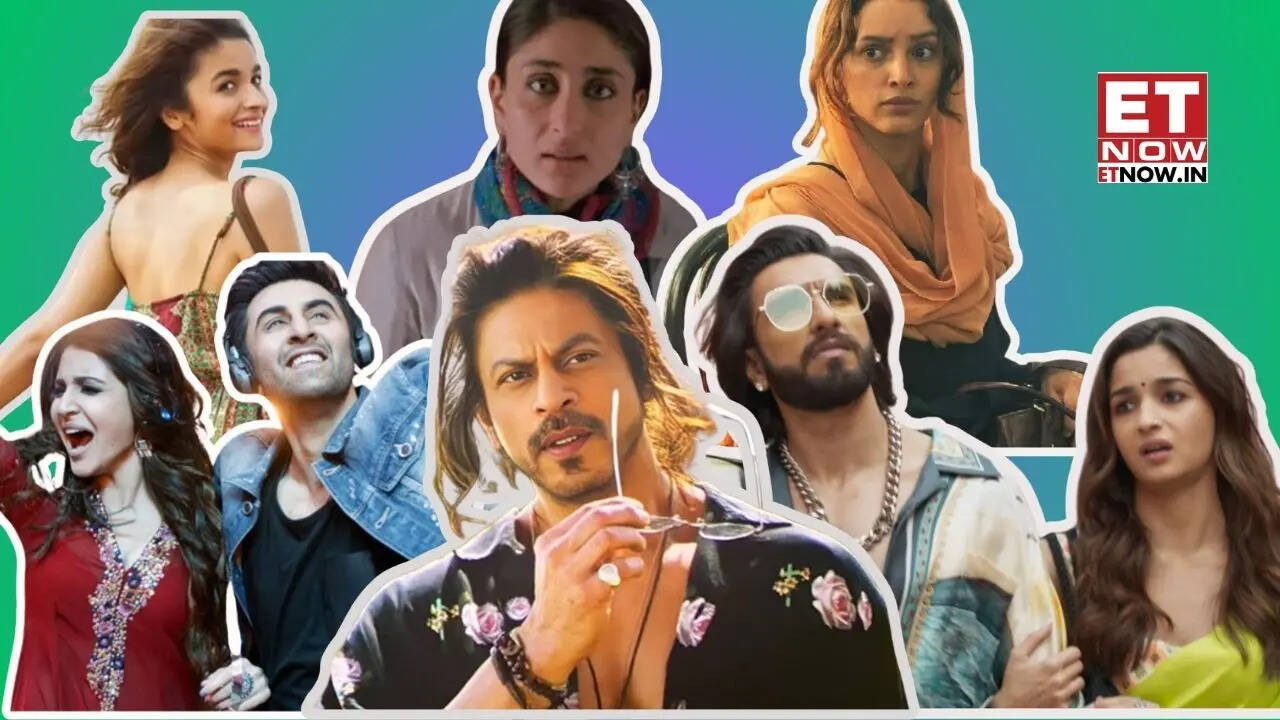
“Unveiling Bollywood’s Visual Language: How Costumes and Colors Enhance Storytelling in Iconic Films”
You May Also Like



More From Author



“India’s G20 Sherpa Advocates for Multilingual AI to Enhance Inclusivity and Serve Diverse Global Populations”