


In a significant assertion regarding the future of artificial intelligence, India’s G20 Sherpa, Amitabh Kant, emphasized the necessity for large language models (LLMs) to evolve beyond their predominant use of the English language. At a recent conference, Kant highlighted that for AI to be genuinely inclusive, it is imperative that these models become natively multilingual, catering to the diverse linguistic landscape of India and other multilingual nations. With a population exceeding 1.4 billion, India is home to hundreds of languages and dialects, making it crucial for AI technologies to recognize and support this linguistic diversity. Kant pointed out that the ability of LLMs to understand and generate content in multiple languages not only enhances user experience but also ensures equitable access to technology for all demographics. This shift towards multilingual AI is essential to bridge the digital divide and promote inclusivity in the rapidly advancing tech landscape, particularly in emerging economies. The call for multilingual capabilities in AI systems is gaining traction globally as stakeholders recognize the importance of representation in technology. By integrating diverse languages, AI can facilitate better communication, education, and information dissemination among users from various linguistic backgrounds. Moreover, this transition towards natively multilingual LLMs will empower non-English speakers, enabling them to engage with AI-driven applications and services that were previously inaccessible. Kant’s vision aligns with the broader goals of the G20, which seeks to foster innovation and collaboration across nations, ensuring that technological advancements benefit all sectors of society. As discussions about the ethical implications of AI continue to evolve, the emphasis on inclusivity and diversity in AI development has never been more critical. The push for multilingual capabilities in LLMs is not merely a technical enhancement; it represents a fundamental shift in how we perceive and interact with technology in a globalized world. By prioritizing multilingualism, AI developers can create systems that resonate with users on a cultural and linguistic level, thereby fostering greater trust and acceptance of AI technologies. With countries like India leading the way in advocating for inclusive AI, the global tech community is urged to recognize the importance of local languages and dialects in shaping the future of artificial intelligence. In conclusion, as AI continues to permeate various aspects of daily life, the need for LLMs to embrace multilingualism becomes increasingly apparent. Amitabh Kant’s remarks serve as a clarion call for stakeholders in the AI sector to prioritize linguistic diversity, ensuring that the benefits of AI are accessible to all, regardless of their language proficiency. This strategic shift towards multilingual AI is not only essential for fostering inclusivity but also pivotal in enhancing the overall effectiveness of AI technologies in serving diverse populations across the globe.
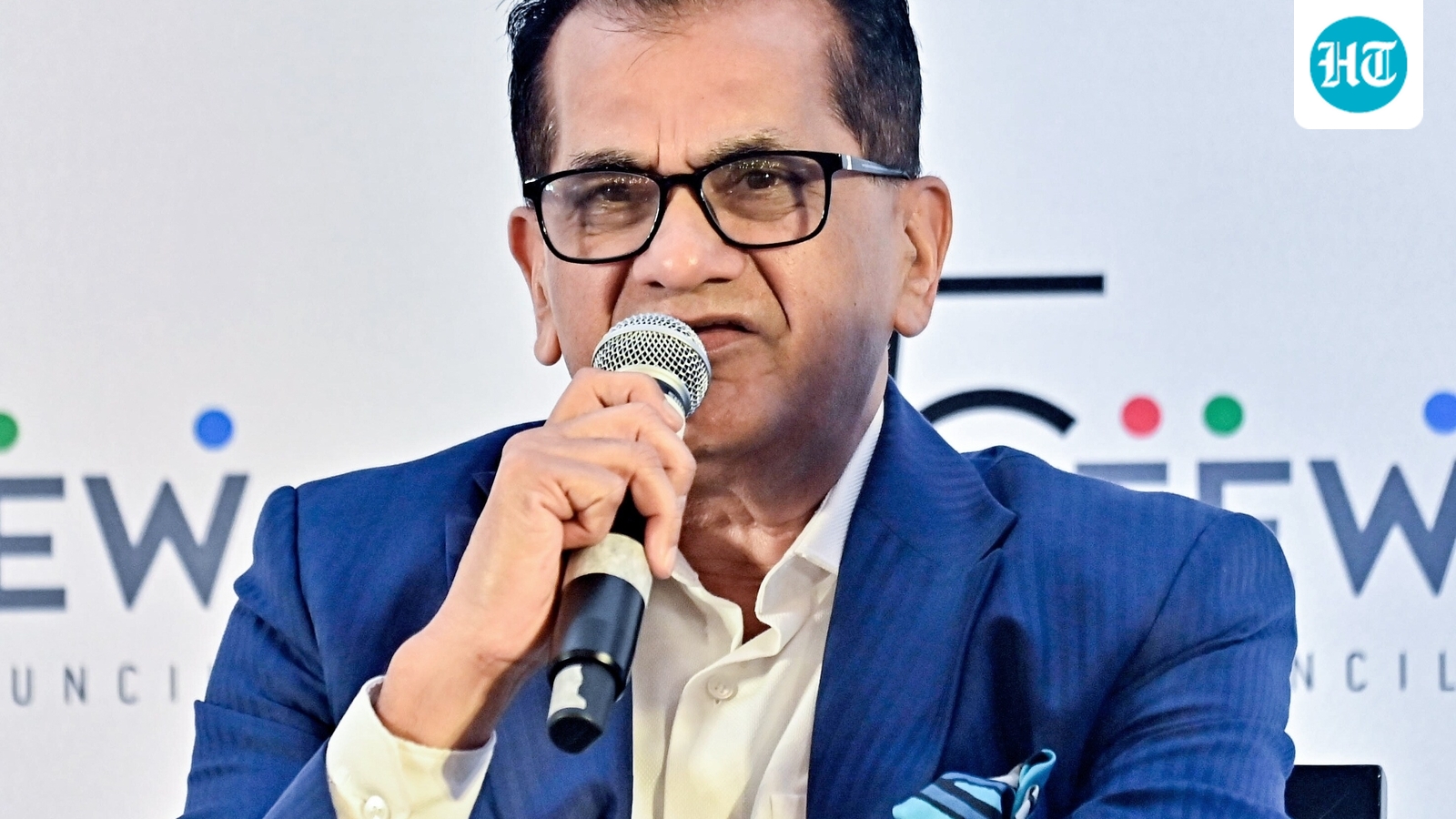
“India’s G20 Sherpa Advocates for Multilingual AI to Enhance Inclusivity and Serve Diverse Global Populations”
You May Also Like



More From Author



“Draft Income Tax Rules 2026: Major Tax Breaks for Salaried Employees with Increased Meal Voucher Exemption”