


The National Stock Exchange (NSE) has raised significant concerns regarding the recent hike in Securities Transaction Tax (STT) on equity futures, cautioning that this increase could adversely affect long-term investors and diminish market depth and trading volumes. The exchange is actively seeking a review from the government to address these pressing issues. The increase in STT, which is levied on the transaction value of securities traded on stock exchanges, has the potential to deter participation from retail and institutional investors alike, hampering the overall liquidity in the equity futures market. The NSE emphasizes that a robust trading environment is crucial for the sustainability of long-term investments, and the elevated tax rates may lead to a contraction in trading activity, ultimately affecting market stability. Investors often rely on equity futures for hedging and risk management strategies, and an increase in costs could discourage their use, leading to a less vibrant market. As trading volumes decline, the overall market depth may also be affected, resulting in wider bid-ask spreads and increased volatility. This scenario could create an unfavorable environment for both new and existing investors, particularly those looking for long-term growth opportunities. The NSE’s call for a government review highlights the importance of maintaining a balanced approach to taxation that supports market development while ensuring the tax regime remains conducive for investors. Stakeholders in the financial sector, including asset managers and brokers, are closely monitoring these developments, as they recognize the potential implications for the broader market ecosystem. The concerns raised by the NSE resonate with the investment community, which relies on favorable trading conditions to optimize returns. The exchange’s proactive stance serves as a reminder of the delicate interplay between taxation policies and market health, underscoring the need for a collaborative dialogue between regulators and market participants. As the situation unfolds, investors and market analysts will be keenly observing the government’s response to the NSE’s appeal, as any adjustments to the STT could significantly influence market dynamics in India. The implications of the STT hike extend beyond immediate trading costs; they also reflect broader trends in fiscal policy and its impact on capital markets. By advocating for a reconsideration of the tax increase, the NSE aims to safeguard the interests of long-term investors and foster a more resilient trading environment. In conclusion, the NSE’s concerns over the STT hike on equity futures highlight critical issues that could shape the future of trading in India. A government review is essential to assess the potential impacts on market depth, trading volumes, and investor confidence. As the landscape evolves, the dialogue between the exchange and regulators will be pivotal in ensuring a balanced approach that promotes healthy market activity while accommodating necessary fiscal measures. Investors are encouraged to stay informed about these developments, as they could have lasting effects on their trading strategies and investment outcomes in the Indian equity futures market.
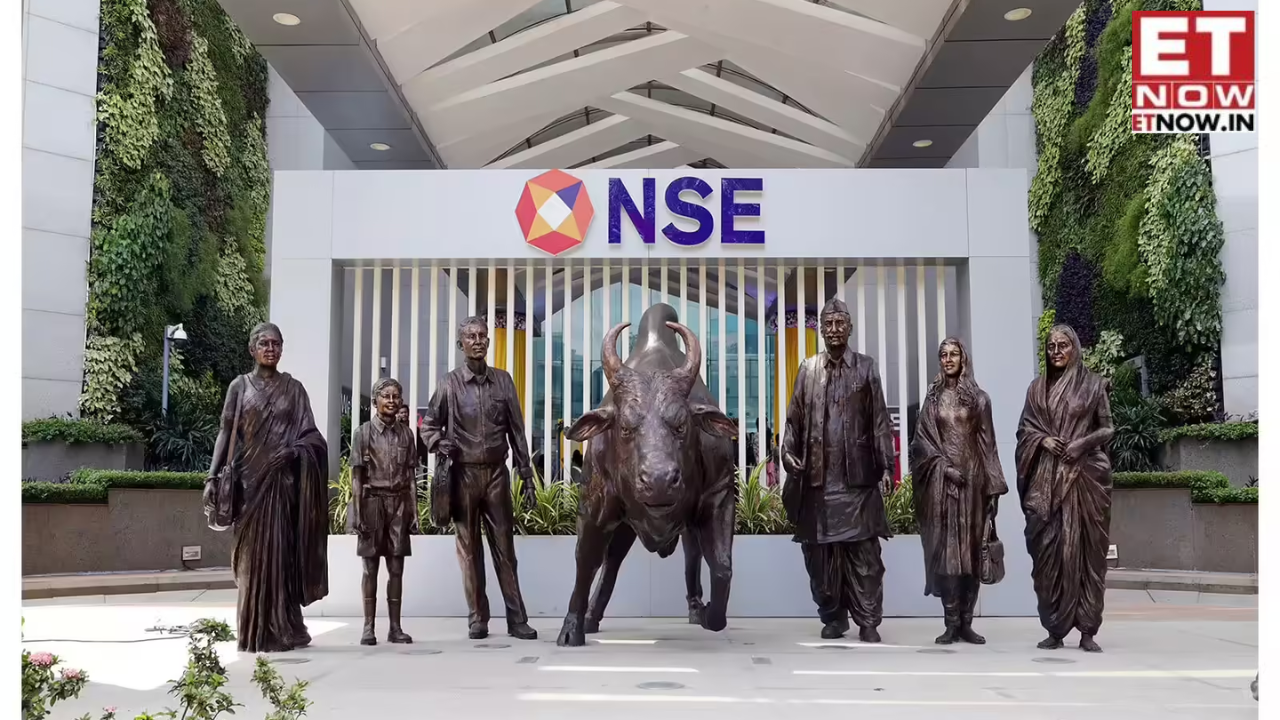
NSE Raises Alarm Over STT Hike on Equity Futures, Warns of Negative Impact on Investors and Market Depth
You May Also Like


More From Author

DIAL Seeks BCAS Approval for Airside Transfers Between Delhi Airport’s Terminal 1 and Terminal 3 for Enhanced Passenger Experience