



Delhi International Airport Limited (DIAL) has officially submitted a request for approval to the Bureau of Civil Aviation Security (BCAS) to implement airside transfers for passengers moving between Terminal 1 (T1) and Terminal 3 (T3) at Indira Gandhi International Airport. This initiative aims to enhance connectivity and streamline the travel experience for domestic and international flyers, particularly those with connecting flights. Currently, passengers must exit security and navigate through the terminal buildings to transfer between T1 and T3, which can be time-consuming and cumbersome. The proposed airside transfer system is expected to significantly reduce transfer times, thereby improving overall passenger satisfaction. With the increasing volume of air traffic and the growing number of travelers using Delhi’s airport, DIAL’s initiative aligns with its commitment to providing world-class facilities and services. The airside transfer will allow passengers to remain in the secure area of the airport, facilitating a seamless transition between the two terminals without the need to clear security checks again. This is particularly beneficial for travelers on short layovers or those carrying heavy luggage. DIAL’s proposal, once approved by BCAS, will also include necessary security measures to ensure the safety of passengers during the transfer process. The introduction of such a system is in line with global best practices observed at major international airports, where airside transfers are commonplace. As one of the busiest airports in India, Indira Gandhi International Airport is continuously working to enhance its operational efficiency and passenger services. The airside transfer initiative is expected to not only ease passenger movement but also optimize airport operations, alleviating congestion in the terminal areas. Moreover, DIAL’s request reflects the ongoing efforts to modernize airport infrastructure and enhance the passenger experience amid increasing air travel demand in India. The approval process by BCAS will involve a thorough assessment of security protocols and operational logistics to ensure the initiative meets the required safety standards. Once operational, this service is anticipated to attract more travelers and improve the airport’s reputation as a hub for efficient air travel. As air travel continues to rebound in the post-pandemic era, initiatives like the airside transfer between T1 and T3 will play a crucial role in accommodating the growing number of passengers and ensuring a smooth travel experience. DIAL’s commitment to enhancing passenger services is further evidenced by its ongoing investments in infrastructure development and technology upgrades. The proposed airside transfer service is just one of the many steps being taken to position Indira Gandhi International Airport as a leading global aviation hub. Travelers eagerly await the outcome of DIAL’s request, as the introduction of airside transfers could revolutionize the way passengers navigate between terminals, making travel more efficient and enjoyable. Overall, the move to facilitate airside transfers at Delhi Airport is a significant step forward in improving air travel logistics and enhancing passenger convenience. With the potential for reduced waiting times and streamlined processes, this initiative is poised to make a considerable impact on the travel experience for those flying through one of India’s busiest airports. As DIAL continues to seek innovative solutions to enhance airport operations, the approval of airside transfers could pave the way for further advancements in passenger services, ultimately contributing to the growth of the aviation sector in India. In conclusion, the request for airside transfers between Terminal 1 and Terminal 3 at Indira Gandhi International Airport underscores the commitment of Delhi International Airport Limited to improving the overall travel experience for passengers. The anticipated benefits of this initiative highlight the importance of modernizing airport facilities to meet the demands of an ever-growing number of travelers. As the process moves forward, industry stakeholders and passengers alike will be watching closely for updates on this promising development.
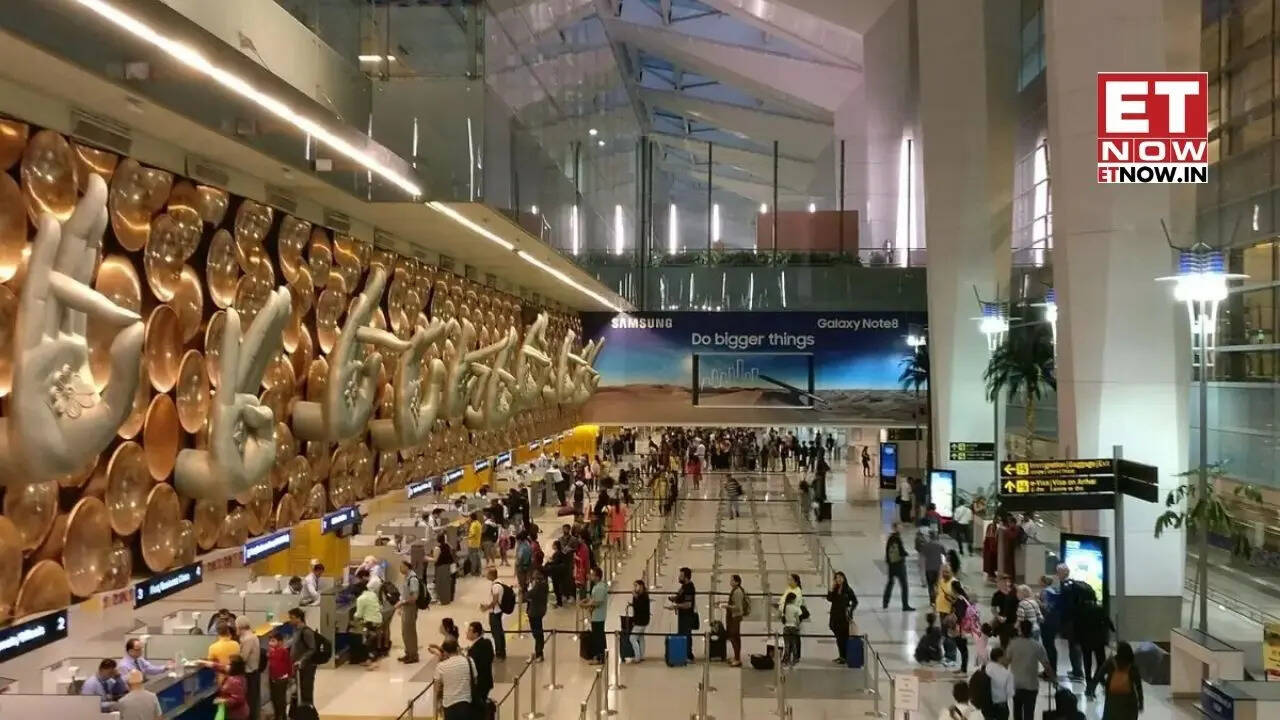
DIAL Seeks BCAS Approval for Airside Transfers Between Delhi Airport’s Terminal 1 and Terminal 3 for Enhanced Passenger Experience
You May Also Like



More From Author



ICC Delivers Major Relief to Bangladesh Amid Pakistan’s Silence on T20 World Cup Boycott Against India