



India has recently established an interim trade agreement with the United States that significantly reduces tariffs on luxury automobiles and eliminates duties on Harley-Davidson motorcycles. However, this trade deal notably excludes electric vehicles (EVs), which means that Tesla, the leading electric vehicle manufacturer, will not benefit from any import relief in the Indian market. The agreement aims to enhance bilateral trade relations and bolster economic ties between the two nations, particularly in the automotive sector. The reduction of tariffs on luxury cars is expected to make high-end vehicles more accessible to Indian consumers, potentially boosting sales for American car manufacturers. The decision to remove duties on Harley-Davidson bikes aligns with the Indian government’s initiative to promote high-value imports while also catering to the growing demand for premium motorcycles in the country. Despite these positive developments for traditional combustion engine vehicles, the exclusion of electric vehicles from this trade pact raises concerns, especially given India’s commitment to increasing the adoption of EVs as part of its sustainability goals. The Indian government has been actively promoting electric mobility to combat pollution and reduce dependence on fossil fuels, making the absence of support for Tesla’s EVs in this agreement a notable oversight. Tesla, which has shown interest in entering the Indian market, has been advocating for reduced import tariffs on its electric vehicles to facilitate its entry and expand its footprint in one of the world’s largest automotive markets. Industry experts believe that the exclusion of Tesla from the current trade pact could hinder the company’s plans to establish a manufacturing base in India, which is essential for tapping into the country’s burgeoning electric vehicle market. As the Indian government continues to prioritize green technology and sustainable transportation solutions, the lack of provisions for electric vehicles in this interim trade agreement highlights the complexities of balancing traditional automotive interests with emerging electric mobility trends. Furthermore, the trade deal’s focus on luxury vehicles and motorcycles could be seen as a missed opportunity to foster collaboration in the EV sector, which is rapidly evolving globally. The Indian market presents a significant opportunity for electric vehicle manufacturers, especially considering the government’s ambitious targets for EV adoption by 2030. The decision to keep electric vehicles out of the trade agreement may also reflect the ongoing challenges faced by EV manufacturers regarding local manufacturing requirements and infrastructure development in India. As the country seeks to attract foreign investment in the electric vehicle space, industry stakeholders are hopeful that future negotiations will address these gaps and create a more inclusive framework that supports electric mobility. In conclusion, while India’s interim trade pact with the US marks a step forward in enhancing trade relations, the omission of electric vehicles from the agreement could have long-term implications for the growth of the EV sector in India. As the automotive landscape continues to evolve, it will be crucial for policymakers to consider the role of electric vehicles in shaping a sustainable and forward-thinking transportation ecosystem. The success of this trade agreement will ultimately depend on how well it adapts to the changing dynamics of the global automotive market, especially in the context of rising electric vehicle adoption and environmental sustainability initiatives.
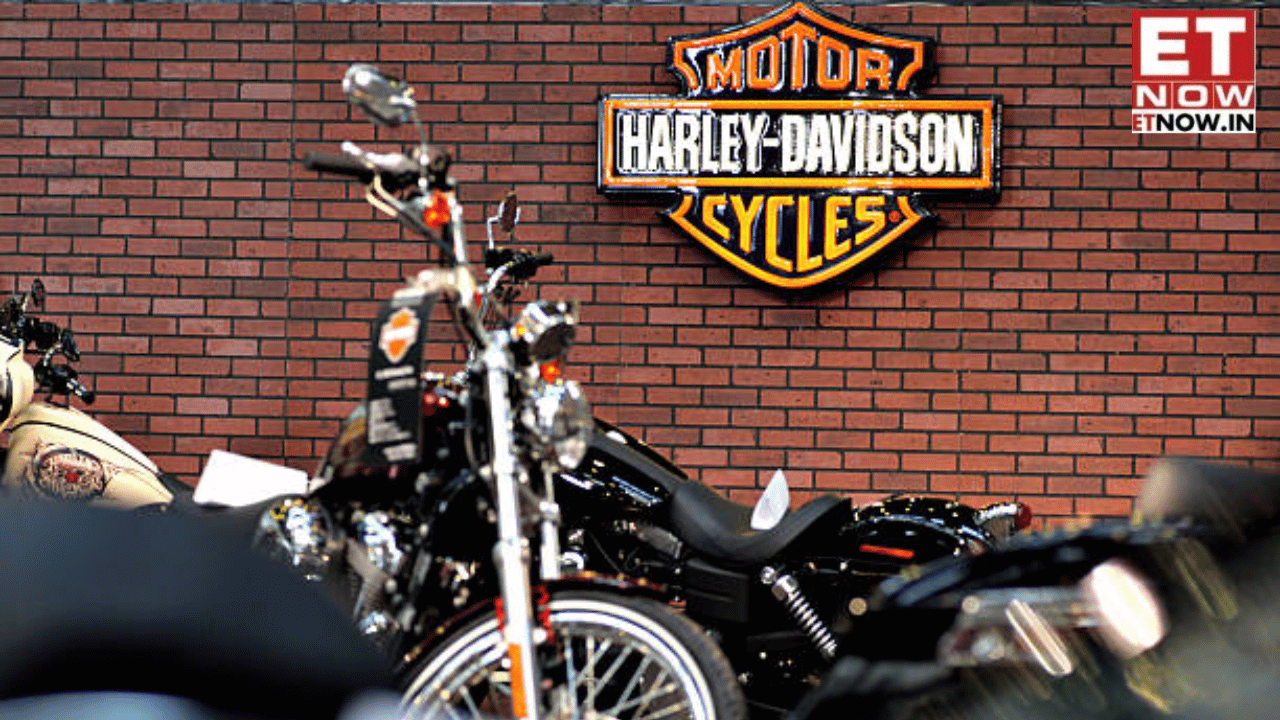
India’s Trade Pact with US Lowers Luxury Car Tariffs but Excludes Tesla from Electric Vehicle Import Relief
You May Also Like
More From Author


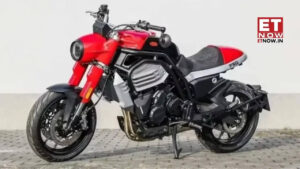
“Introducing the Jawa 730 Twin: A Powerful 730cc Engine Developed with Suter Racing for Ultimate Performance”
