



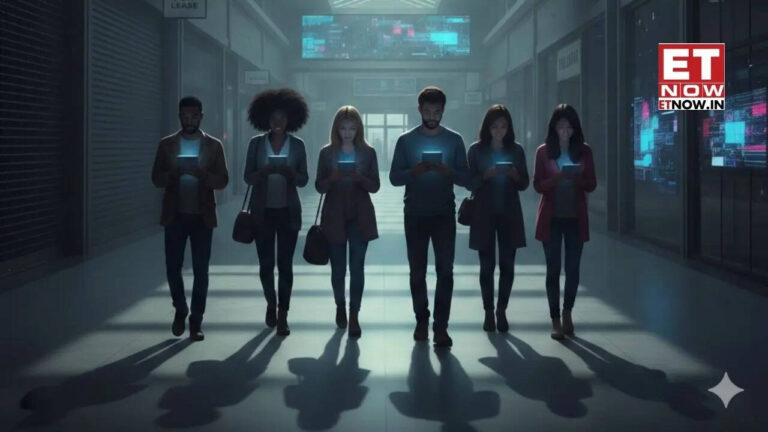
India’s experience economy is rapidly transforming the landscape of urban travel, as short, in-city experiences increasingly take precedence over lengthy vacations. This shift is largely driven by the growing demands of modern life, characterized by time scarcity and burnout, prompting individuals to seek out quick yet fulfilling escapes within their own cities. The rise of two-hour holidays is indicative of a broader trend where leisure is being redefined as a participatory and emotional endeavor, seamlessly integrated into the fabric of daily urban life. As people prioritize quality over quantity in their leisure activities, they are gravitating towards experiences that offer meaningful engagement and connection, rather than traditional tourism. This phenomenon is reshaping how urban residents perceive and utilize their free time, with a focus on activities that foster community interaction and personal well-being. In this context, local businesses and service providers are adapting their offerings to cater to this demand for short, immersive experiences, ranging from art workshops and culinary classes to wellness retreats and cultural performances. The emphasis on experiential travel aligns with a growing awareness of mental health and the benefits of mindfulness, as urban dwellers seek to counteract the stresses of contemporary life. By embracing these mini getaways, individuals are not only enriching their personal lives but also contributing to the local economy, as they explore and support nearby attractions and services. As urban centers across India continue to evolve, this trend towards quick, engaging experiences presents a unique opportunity for cities to revitalize their cultural and economic landscapes. Marketers and businesses are urged to leverage this shift by creating tailored experiences that resonate with the values and preferences of modern consumers. With a focus on convenience, accessibility, and emotional resonance, the experience economy is poised to redefine urban leisure in India, making it essential for stakeholders to adapt and innovate in response to this emerging paradigm. As the experience economy gains momentum, urban planners, local governments, and entrepreneurs must recognize the significance of fostering environments that encourage these short, meaningful interactions. By prioritizing the development of public spaces, cultural initiatives, and community-driven events, cities can cultivate a vibrant ecosystem that not only enhances the quality of life for residents but also attracts visitors seeking authentic and immersive experiences. Ultimately, India’s experience economy reflects a profound shift in how individuals approach leisure and travel, underscoring the importance of adaptability and innovation in an ever-changing urban landscape. As this trend continues to evolve, it will undoubtedly shape the future of urban travel, making it imperative for stakeholders to engage with and respond to the needs and desires of the modern traveler. By understanding and embracing the values inherent in this experience-driven economy, cities and businesses can position themselves at the forefront of a new era in urban leisure, one that prioritizes personal connection, emotional engagement, and community involvement.



Recent Posts
- “Strategist: U.S. Likely to Avoid Attacking Iranian Oil Infrastructure Amid Efforts to Lower Energy Prices”
- “Stocks to Watch February 19: SAIL, HUL, Adani Ports, and More Amid Investments and Renewable Energy Trends”
- “Major Stocks Go Ex-Date Tomorrow: Alkem Labs Leads with Rs 43 Dividend Amid Total Payouts of Rs 128.86”
- Gold Prices Dip on February 19 Amid Profit Booking, Spot Gold at USD 4,967.24, Northern India Prices Stable
- Imports Surge to $71.24 Billion, Igniting Larger Deficit and Exceeding Market Expectations by Nearly $45 Billion
Recent Comments
No comments to show.
Archives
Categories
- Automobile Newsc
- Banking
- carving out a notorious reputation that positioned him as a rare rival to the infamous Dawood Ibrahim. Ustara
- Corporate News
- Crypto & Blockchain
- Economy & Policy
- Elections & Politics
- Entertainment Buzz
- Exams & Results
- Income Tax & Compliance
- Infrastructure & Projects
- is also home to some of the wealthiest individuals in India. This article highlights the ten richest men linked to Bihar
- Jobs & Careers
- Luxury & Lifestyle
- Market News
- Market Pulse
- Mutual Funds
- Personal Finance
- Real Estate
- Success Stories
- Technology & Innovation
- Trading Markets
- Video News