



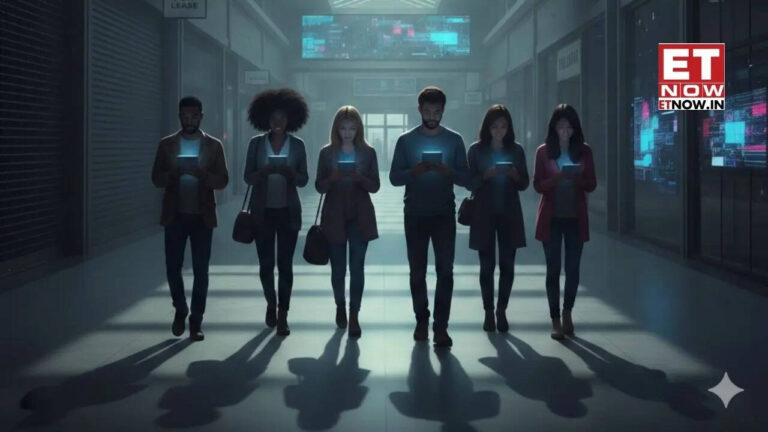
India’s experience economy is significantly transforming urban travel dynamics, as a growing trend emerges where short, in-city experiences are increasingly favored over lengthy vacations. The phenomenon of two-hour holidays is gaining traction, driven by factors such as time scarcity and the prevalent issue of burnout among urban dwellers. These brief yet enriching experiences are evolving into intentional rituals, fundamentally altering the concept of leisure. In this new paradigm, leisure activities are not merely about relaxation but are characterized by their participatory and emotional nature, seamlessly integrated into the fabric of everyday urban life. This shift reflects a broader cultural movement where individuals prioritize meaningful interactions and immersive experiences that can be enjoyed within the constraints of their busy schedules. As urbanization continues to accelerate in India, the demand for accessible and engaging short experiences is surging. Consumers are increasingly seeking activities that allow them to unwind and connect with their surroundings, friends, and family, all while fitting into their limited free time. This trend is encouraging local businesses to innovate and diversify their offerings, catering to the evolving preferences of time-strapped city residents. Activities such as curated food tours, art workshops, and wellness retreats are becoming popular, providing an avenue for individuals to explore their cities in fresh, engaging ways. Moreover, the rise of digital platforms has facilitated the discovery and booking of these short experiences, making them more accessible than ever. As a result, urban residents are reimagining their leisure time, opting for experiences that are not only enjoyable but also foster a sense of community and personal growth. The shift towards in-city experiences is also impacting the tourism landscape, as travelers increasingly look for authentic local interactions rather than traditional sightseeing. This trend underscores the importance of local culture and heritage, as urbanites seek to immerse themselves in the unique offerings of their cities. The experience economy is thus reshaping the way people perceive travel, emphasizing quality over quantity and encouraging deeper connections with both the environment and the community. In addition, this transformation is contributing to sustainable tourism practices, as shorter, localized experiences tend to have a lower environmental impact compared to long-distance travel. As urban centers in India continue to evolve, the experience economy is poised to play a pivotal role in enhancing the quality of life for residents and visitors alike. The ongoing emphasis on shorter, meaningful experiences reflects a broader societal shift towards mindfulness and intentional living, as individuals strive to make the most of their limited free time. This change is not only redefining leisure but also fostering a more vibrant urban culture, where shared experiences and community engagement take center stage. In conclusion, India’s experience economy is leading the charge in reshaping urban travel, as short, in-city experiences become the new norm. The rise of two-hour holidays reflects a collective desire for meaningful, participatory leisure activities that can seamlessly fit into busy lifestyles. As this trend continues to gain momentum, it promises to enhance urban living and redefine the way people approach leisure and travel in India. With an increasing focus on authentic experiences, community connection, and sustainable practices, the future of urban travel is bright, inviting individuals to explore and engage with the rich tapestry of their cities in innovative ways.



Recent Posts
- “Strategist: U.S. Likely to Avoid Attacking Iranian Oil Infrastructure Amid Efforts to Lower Energy Prices”
- “Stocks to Watch February 19: SAIL, HUL, Adani Ports, and More Amid Investments and Renewable Energy Trends”
- “Major Stocks Go Ex-Date Tomorrow: Alkem Labs Leads with Rs 43 Dividend Amid Total Payouts of Rs 128.86”
- Gold Prices Dip on February 19 Amid Profit Booking, Spot Gold at USD 4,967.24, Northern India Prices Stable
- Imports Surge to $71.24 Billion, Igniting Larger Deficit and Exceeding Market Expectations by Nearly $45 Billion
Recent Comments
No comments to show.
Archives
Categories
- Automobile Newsc
- Banking
- carving out a notorious reputation that positioned him as a rare rival to the infamous Dawood Ibrahim. Ustara
- Corporate News
- Crypto & Blockchain
- Economy & Policy
- Elections & Politics
- Entertainment Buzz
- Exams & Results
- Income Tax & Compliance
- Infrastructure & Projects
- is also home to some of the wealthiest individuals in India. This article highlights the ten richest men linked to Bihar
- Jobs & Careers
- Luxury & Lifestyle
- Market News
- Market Pulse
- Mutual Funds
- Personal Finance
- Real Estate
- Success Stories
- Technology & Innovation
- Trading Markets
- Video News