

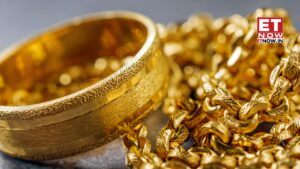
As we progress into the latter part of 2023, the precious metals market, particularly gold and silver, has experienced a notable shift in momentum. Following a robust rally that characterized the beginning of the year, these commodities now appear to be losing some of their previous appeal among investors. The recent fluctuations can be attributed to a combination of factors including economic indicators, geopolitical tensions, and changes in monetary policy which have collectively influenced investor sentiment. Gold, traditionally viewed as a safe-haven asset during times of uncertainty, has faced pressure as global markets show signs of stabilization. In contrast, silver, often regarded as a more volatile investment closely tied to industrial demand, has similarly felt the impact of shifting economic dynamics. Analysts are closely monitoring inflation rates and central bank decisions, as these elements play a crucial role in the valuation of precious metals. The Reserve Bank of India’s stance on interest rates and its impact on liquidity is particularly significant for Indian investors, who are keenly observing how these changes will affect gold and silver prices moving forward. Additionally, the recent strength of the US dollar has further complicated the landscape for gold and silver, as a stronger dollar typically makes these metals more expensive for foreign investors. While the first quarter of 2023 saw gold prices reaching historic highs, the subsequent months have witnessed a pullback, prompting questions about the sustainability of previous gains. Silver, too, has encountered challenges, with its prices fluctuating in response to industrial demand and investment trends. The ongoing geopolitical tensions, particularly in regions such as Eastern Europe and the Middle East, add another layer of complexity to the market, as investors weigh the risks of conflict against the potential economic fallout. Moreover, market analysts are predicting that the upcoming festive season in India, which historically drives demand for gold, could play a pivotal role in influencing price trends. As consumers prepare for festivals such as Diwali, which traditionally sees a surge in gold purchases, the demand dynamics may provide a temporary boost to prices. However, experts caution that without significant external catalysts, the long-term outlook for gold and silver may remain subdued as investors reassess their portfolios in light of evolving economic conditions. Furthermore, the potential for rising interest rates in India could deter some investors from allocating funds to precious metals, as higher rates typically enhance the attractiveness of interest-bearing assets. In summary, while gold and silver enjoyed a strong start to 2023, current market trends suggest a period of adjustment as investors navigate a complex landscape of economic factors. The interplay of inflation, interest rates, and geopolitical developments will be crucial in determining the future trajectory of these precious metals. As we move towards the end of the year, stakeholders in the gold and silver markets must remain vigilant, adapting their strategies to align with shifting market dynamics and consumer sentiment. With the ongoing uncertainties in the global economy, the precious metals market continues to be a focal point for investors seeking to hedge against inflation and market volatility.

Recent Posts
- “Strategist: U.S. Likely to Avoid Attacking Iranian Oil Infrastructure Amid Efforts to Lower Energy Prices”
- “Stocks to Watch February 19: SAIL, HUL, Adani Ports, and More Amid Investments and Renewable Energy Trends”
- “Major Stocks Go Ex-Date Tomorrow: Alkem Labs Leads with Rs 43 Dividend Amid Total Payouts of Rs 128.86”
- Gold Prices Dip on February 19 Amid Profit Booking, Spot Gold at USD 4,967.24, Northern India Prices Stable
- Imports Surge to $71.24 Billion, Igniting Larger Deficit and Exceeding Market Expectations by Nearly $45 Billion
Recent Comments
No comments to show.
Archives
Categories
- Automobile Newsc
- Banking
- carving out a notorious reputation that positioned him as a rare rival to the infamous Dawood Ibrahim. Ustara
- Corporate News
- Crypto & Blockchain
- Economy & Policy
- Elections & Politics
- Entertainment Buzz
- Exams & Results
- Income Tax & Compliance
- Infrastructure & Projects
- is also home to some of the wealthiest individuals in India. This article highlights the ten richest men linked to Bihar
- Jobs & Careers
- Luxury & Lifestyle
- Market News
- Market Pulse
- Mutual Funds
- Personal Finance
- Real Estate
- Success Stories
- Technology & Innovation
- Trading Markets
- Video News