



In January 2026, India’s electric vehicle (EV) retail market demonstrated robust growth, particularly in the passenger vehicle and two-wheeler segments, driven by increasing consumer demand and supportive government policies, as indicated by data from the Federation of Automobile Dealers Associations (FADA). The expansion of the EV market in India is a reflection of the country’s commitment to sustainable transportation and reducing carbon emissions, aligning with global trends towards electrification. The significant year-on-year growth rates in both passenger vehicles and two-wheelers highlight a shifting consumer preference towards electric mobility solutions, supported by a growing network of charging infrastructure and advancements in battery technology. The Indian government’s initiatives, including subsidies and incentives under schemes such as FAME (Faster Adoption and Manufacturing of Electric Vehicles), have further catalyzed the adoption of electric vehicles across the nation. This upward trajectory in the EV sector underscores the increasing awareness among consumers regarding environmental issues and the long-term cost benefits associated with electric vehicles, such as lower operating costs and reduced maintenance expenses compared to traditional internal combustion engine vehicles. As the market continues to evolve, leading automotive manufacturers are actively investing in electric vehicle technology and expanding their EV offerings to capture the burgeoning consumer interest. The growth in the two-wheeler segment, in particular, is noteworthy, as many consumers in India rely on scooters and motorcycles for daily commuting. The availability of affordable electric two-wheelers is making them an attractive option for urban commuters, contributing to the overall increase in EV sales. Additionally, the rise of electric vehicles aligns with India’s broader goals of enhancing energy security and reducing dependence on fossil fuels, making it a critical component of the country’s energy transition strategy. As the Indian market evolves, it is essential for stakeholders to focus on addressing challenges such as charging infrastructure, battery disposal, and consumer education to sustain this growth trajectory. The positive momentum in India’s EV retail market not only signifies a shift towards cleaner transportation alternatives but also positions the country as a significant player in the global electric vehicle landscape. Continued investment in infrastructure and technology, along with consumer-centric policies, will be pivotal in maintaining this growth and achieving the ambitious targets set for electric vehicle adoption in the coming years. The transition to electric mobility in India is not just an economic opportunity but also a vital step towards achieving the nation’s sustainability goals, making it imperative for all stakeholders, including government, manufacturers, and consumers, to collaborate effectively in this transformative journey.


Recent Posts
- “Strategist: U.S. Likely to Avoid Attacking Iranian Oil Infrastructure Amid Efforts to Lower Energy Prices”
- “Stocks to Watch February 19: SAIL, HUL, Adani Ports, and More Amid Investments and Renewable Energy Trends”
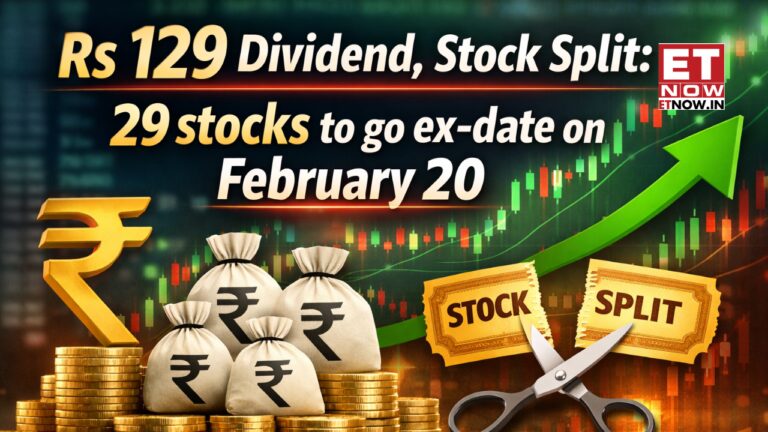
- “Major Stocks Go Ex-Date Tomorrow: Alkem Labs Leads with Rs 43 Dividend Amid Total Payouts of Rs 128.86”
- Gold Prices Dip on February 19 Amid Profit Booking, Spot Gold at USD 4,967.24, Northern India Prices Stable
- Imports Surge to $71.24 Billion, Igniting Larger Deficit and Exceeding Market Expectations by Nearly $45 Billion
Recent Comments
No comments to show.
Archives
Categories
- Automobile Newsc
- Banking
- carving out a notorious reputation that positioned him as a rare rival to the infamous Dawood Ibrahim. Ustara
- Corporate News
- Crypto & Blockchain
- Economy & Policy
- Elections & Politics
- Entertainment Buzz
- Exams & Results
- Income Tax & Compliance
- Infrastructure & Projects
- is also home to some of the wealthiest individuals in India. This article highlights the ten richest men linked to Bihar
- Jobs & Careers
- Luxury & Lifestyle
- Market News
- Market Pulse
- Mutual Funds
- Personal Finance
- Real Estate
- Success Stories
- Technology & Innovation
- Trading Markets
- Video News