


In the third quarter of the fiscal year 2026 (Q3FY26), the Indian two-wheeler export market experienced significant volatility, primarily driven by uneven demand across various international markets. This fluctuation in export performance can be attributed to several factors, including changing consumer preferences, economic conditions in key importing countries, and the ongoing impact of global supply chain disruptions. As Indian manufacturers strive to maintain their competitive edge in the global two-wheeler sector, the inconsistency in demand has posed challenges for production planning and inventory management. Major players in the industry, including Hero MotoCorp, Bajaj Auto, and TVS Motor Company, have reported varying export figures, reflecting the unpredictable nature of international markets. While some regions, such as Latin America and Southeast Asia, have shown resilience in demand, others are grappling with economic slowdowns and reduced purchasing power, leading to a decline in two-wheeler sales. Furthermore, the ongoing transition towards electric vehicles (EVs) has created a shift in consumer preferences, prompting manufacturers to adapt their export strategies to align with the growing demand for sustainable mobility solutions. In response to these market dynamics, companies are increasingly focusing on diversifying their export destinations and enhancing product offerings to cater to the evolving needs of global consumers. Additionally, the Indian government’s initiatives to promote exports through favorable policies and incentives are expected to play a crucial role in stabilizing the two-wheeler export sector in the coming quarters. Despite the current volatility, industry experts remain optimistic about the long-term growth potential of the Indian two-wheeler export market, driven by the country’s robust manufacturing capabilities, skilled workforce, and rising demand for affordable mobility solutions in emerging markets. As manufacturers continue to innovate and adapt to changing market conditions, the outlook for two-wheeler exports in India remains cautiously optimistic, with expectations of gradual recovery as global economic conditions stabilize. In summary, the challenges faced during Q3FY26 underline the need for strategic planning and adaptability in the Indian two-wheeler export sector, as stakeholders navigate the complexities of an ever-evolving global market landscape.



Recent Posts
- “Strategist: U.S. Likely to Avoid Attacking Iranian Oil Infrastructure Amid Efforts to Lower Energy Prices”
- “Stocks to Watch February 19: SAIL, HUL, Adani Ports, and More Amid Investments and Renewable Energy Trends”
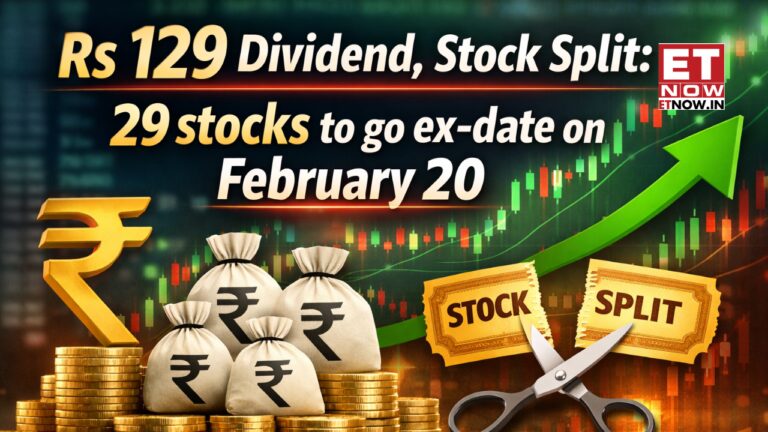
- “Major Stocks Go Ex-Date Tomorrow: Alkem Labs Leads with Rs 43 Dividend Amid Total Payouts of Rs 128.86”
- Gold Prices Dip on February 19 Amid Profit Booking, Spot Gold at USD 4,967.24, Northern India Prices Stable
- Imports Surge to $71.24 Billion, Igniting Larger Deficit and Exceeding Market Expectations by Nearly $45 Billion
Recent Comments
No comments to show.
Archives
Categories
- Automobile Newsc
- Banking
- carving out a notorious reputation that positioned him as a rare rival to the infamous Dawood Ibrahim. Ustara
- Corporate News
- Crypto & Blockchain
- Economy & Policy
- Elections & Politics
- Entertainment Buzz
- Exams & Results
- Income Tax & Compliance
- Infrastructure & Projects
- is also home to some of the wealthiest individuals in India. This article highlights the ten richest men linked to Bihar
- Jobs & Careers
- Luxury & Lifestyle
- Market News
- Market Pulse
- Mutual Funds
- Personal Finance
- Real Estate
- Success Stories
- Technology & Innovation
- Trading Markets
- Video News