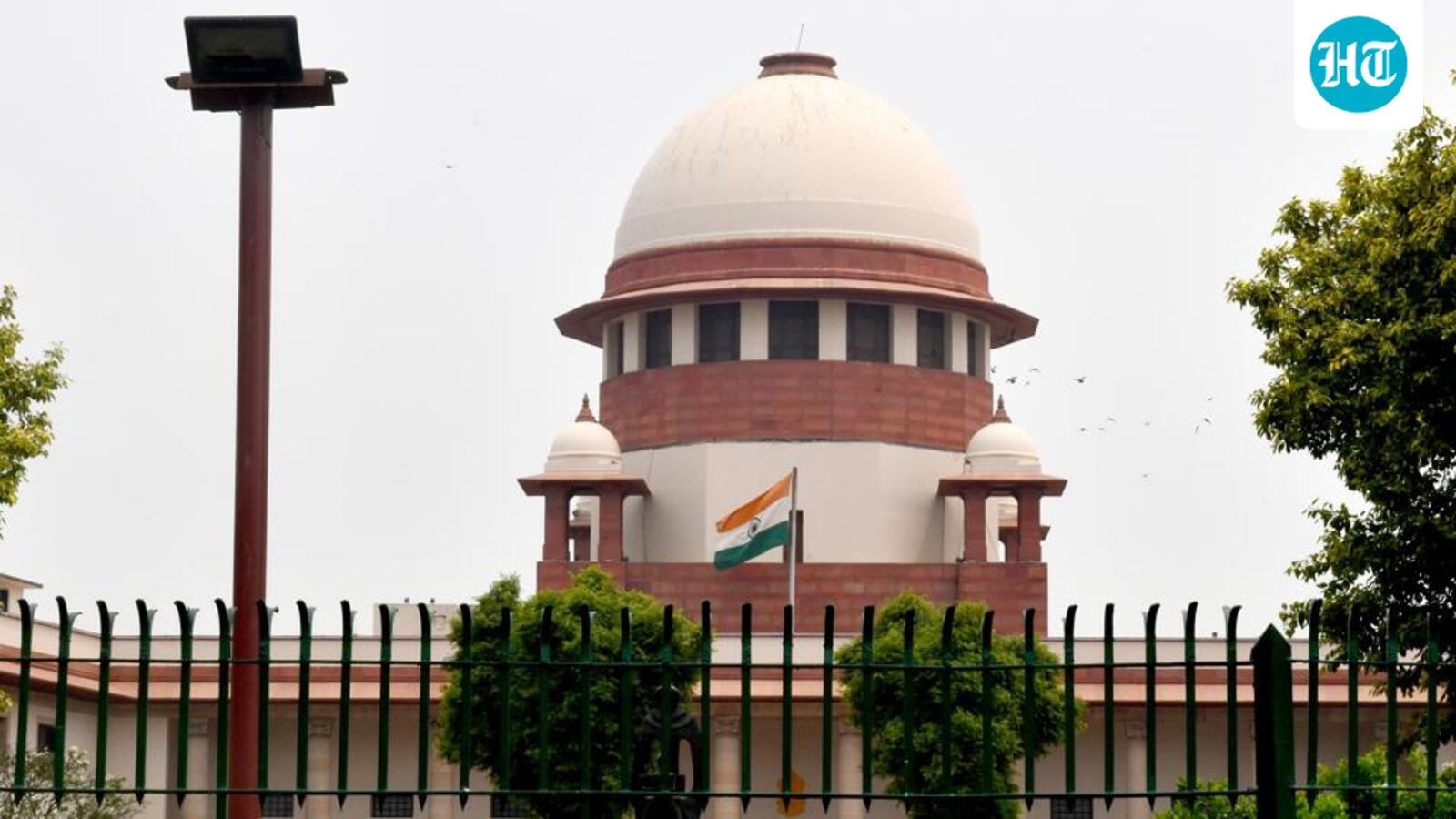



In a significant ruling, India’s Supreme Court has denied interim relief in a case concerning the alleged dumping of hazardous waste into a water body linked to the Narmada River. The court’s decision highlights the serious environmental implications of such actions and underscores the importance of safeguarding India’s water bodies from pollution. The allegations suggest that improper disposal of toxic materials poses a substantial threat to both the ecosystem and public health, particularly in areas adjacent to the Narmada, which is one of the country’s most vital rivers. The Supreme Court’s refusal to grant interim relief serves as a reminder of the judiciary’s commitment to tackling environmental violations and ensuring accountability for actions that endanger natural resources. As India continues to grapple with environmental challenges, this ruling may set a precedent for future cases involving pollution and waste management across the nation. The Narmada River, revered for its cultural significance and biodiversity, has long faced threats from industrial activities and urbanization, making it crucial for the legal system to address these issues effectively. Environmentalists and activists have expressed concerns about the long-term impacts of hazardous waste on water quality and public health, calling for stricter regulations and enforcement to prevent further degradation of this critical water source. The Supreme Court’s stance indicates a growing recognition of the need for robust legal frameworks to protect India’s environment amid increasing industrialization. Stakeholders are urged to adopt sustainable practices and prioritize environmental conservation to mitigate the risks associated with hazardous waste disposal. The implications of this ruling extend beyond the immediate case, as it reflects a broader commitment to environmental justice and the protection of India’s natural heritage. As the situation develops, it will be essential for authorities to monitor compliance with environmental laws and ensure that polluters are held accountable for their actions, fostering a culture of responsibility towards India’s invaluable water resources.