



Investing through Systematic Investment Plans (SIPs) has gained immense popularity in India, primarily due to the compelling benefits of compounding, a key feature that allows investors to earn returns not just on their principal amount but also on the accumulated returns over time. However, one concern that many investors face is the possibility of missing an SIP installment. A missed SIP installment can be a cause for anxiety, but understanding its implications and how to manage such situations can help investors maintain their financial goals. Firstly, it is important to note that missing an SIP installment does not lead to immediate financial ruin. The investment will continue, and the mutual fund scheme will remain active, although the missed payment may slightly affect the overall returns due to lower invested capital. Moreover, the power of compounding means that even with a few missed installments, the potential for growth remains strong in the long term. Investors should focus on maintaining a disciplined investment approach and try to make up for missed payments in the following months, if feasible. Many mutual fund houses allow investors to increase their SIP amounts or make one-time lump-sum investments to catch up on missed contributions. Additionally, it is crucial to keep an eye on your financial situation and set reminders or automate SIP payments to avoid missing future installments. For those who are concerned about missed payments impacting their credit score, it is worth noting that SIPs do not directly affect credit ratings, as they are not loans or credit products. However, consistent non-payment may lead to the need to redeem units to fund future installments, which could potentially reduce long-term gains. Investors should also review their investment goals and timelines periodically to ensure that their SIP strategy aligns with their financial objectives. In summary, while missing an SIP installment can be concerning, it is not the end of the world. By understanding the implications, staying disciplined, and employing strategies to mitigate the impact of missed payments, investors can continue to benefit from the power of compounding and work towards achieving their financial goals in India.
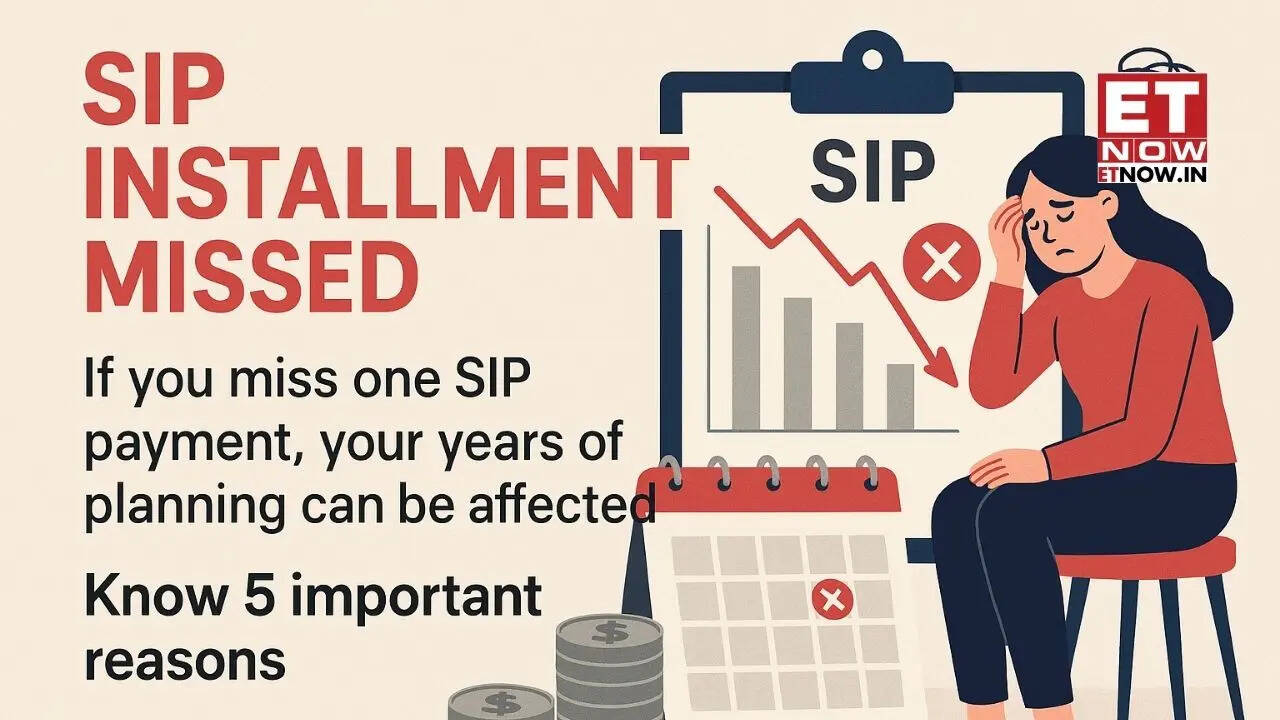
“Missed SIP Installment? Discover How Compounding Can Still Maximize Your Investment Returns!”
You May Also Like



More From Author