



The Pixel 10, Google’s latest smartphone offering, suggests a significant advancement in mobile technology with its innovative approach to user interaction. This device introduces a conversational interface that transcends traditional app navigation, allowing users to focus on their desired tasks rather than the applications themselves. With this new paradigm, users simply articulate what they want to accomplish, and the Pixel 10 intelligently determines the most appropriate sources of information and actions required to fulfill those requests. This evolution in smartphone design aims to enhance user convenience and streamline the overall experience, making technology more intuitive and accessible. By leveraging advanced artificial intelligence and machine learning, the Pixel 10 promises to revolutionize how we interact with our devices, eliminating the need for cumbersome app switching and enabling a more fluid interaction with technology. As consumers increasingly seek efficiency in their daily lives, the Pixel 10’s conversational capabilities are poised to meet this demand, positioning it as a frontrunner in the competitive smartphone market in India. This focus on user-centric design is particularly relevant in a country with a diverse and rapidly growing smartphone user base, where the need for seamless technology integration is paramount. The Pixel 10 not only exemplifies Google’s commitment to innovation but also reflects broader trends in the tech industry towards personalization and contextual understanding. As smartphones become more deeply integrated into our daily routines, the ability to communicate intentions naturally and effectively will be a key differentiator for devices in the future. With the Pixel 10, Google is setting a new standard for smartphone functionality, promising a future where users can engage with technology in a more meaningful way. As the Indian market continues to evolve, the demand for devices that offer intelligent solutions to everyday challenges will only increase, making the Pixel 10 a timely addition to the lineup of modern smartphones. This device is not just about hardware specifications; it represents a shift in how we perceive and utilize our phones, making it a significant player in the ongoing dialogue about the future of mobile technology. The Pixel 10’s conversational layer is a testament to Google’s vision of a more interconnected and responsive digital ecosystem, where smartphones are not just tools but companions that understand and anticipate user needs. In a world where time is of the essence, the Pixel 10 stands out by promising to simplify complex tasks and enhance productivity through its intuitive interface. As tech enthusiasts and casual users alike begin to explore the capabilities of the Pixel 10, it will be interesting to see how this innovation influences user behavior and sets new benchmarks for future smartphone designs. The implications of this technology extend beyond individual users, potentially reshaping industries and creating new opportunities for businesses to engage with consumers in more meaningful ways. The Pixel 10 is not just a smartphone; it is a glimpse into the future of communication, interaction, and technology’s role in our lives. As we move forward, the integration of such advanced features will be critical in maintaining the relevance of smartphones in an increasingly digital landscape, making the Pixel 10 a significant milestone in the evolution of mobile devices. In conclusion, the Pixel 10’s conversational capabilities mark a pivotal moment in smartphone development, offering a glimpse of how future devices may operate and interact with users, thereby setting the stage for the next generation of mobile technology in India and beyond.
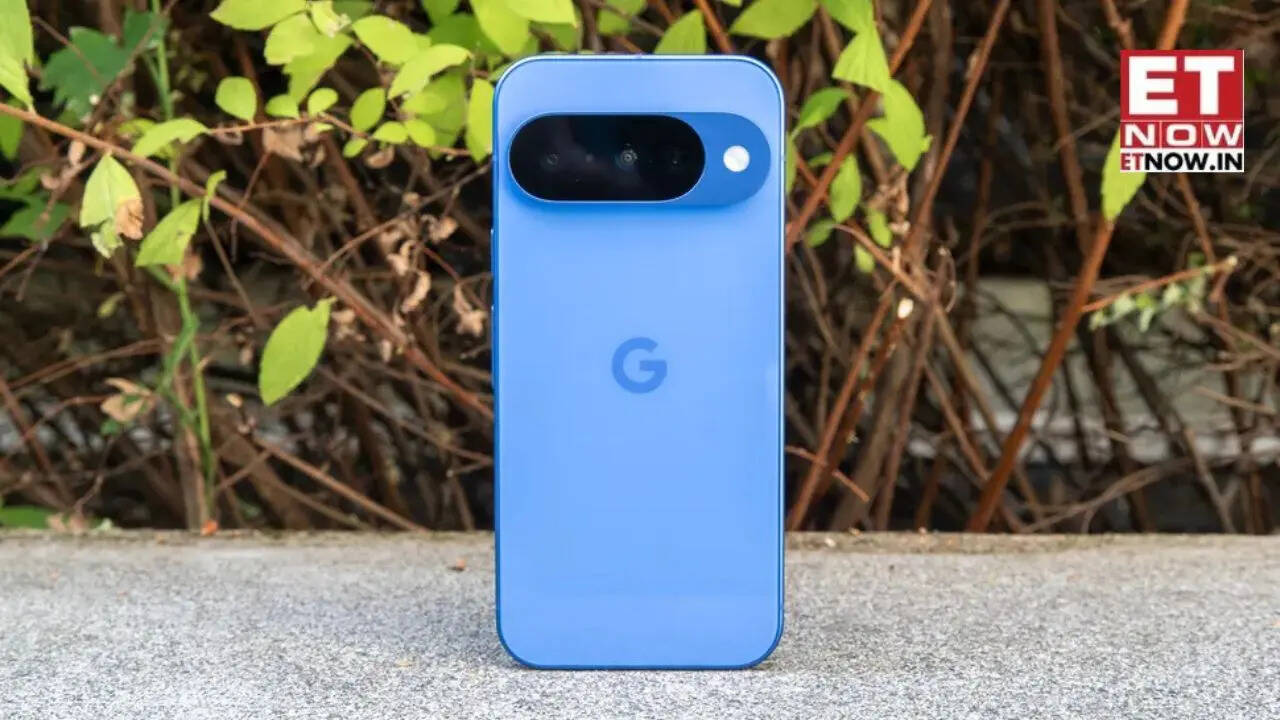
“Pixel 10 Revolutionizes User Experience with Conversational Layer for Seamless Task Management and App Navigation”
You May Also Like


More From Author



German Court Bans Acer and ASUS from Selling PCs After Nokia Wins HEVC Patent Dispute, Disrupting Sales in Germany.