


The Securities and Exchange Board of India (SEBI) has temporarily prohibited the National Commodity and Derivatives Exchange (NCDEX) and the Multi Commodity Exchange (MSE) from introducing equity derivatives, emphasizing the necessity for these exchanges to first enhance their equity cash trading systems. This decision comes as a response to the recent proposals submitted by both exchanges to expand their offerings into equity products. SEBI’s directive underlines its commitment to ensuring a robust and efficient trading environment within the Indian securities market. By prioritizing the improvement of existing equity cash trading mechanisms, SEBI aims to fortify the foundational structure of equity trading before allowing further diversification into more complex financial instruments like equity derivatives. The regulatory body has historically maintained a cautious approach towards the introduction of new financial products, particularly in the wake of increasing volatility and the need for investor protection. This move signals SEBI’s focus on fostering a stable trading ecosystem that can support the long-term growth of equity markets in India. Stakeholders in the financial sector, including market participants and investors, are expected to closely monitor this development as it may impact liquidity and trading strategies within the Indian equity landscape. As NCDEX and MSE work towards addressing SEBI’s concerns, they will need to implement comprehensive measures aimed at boosting their equity cash trading capabilities. Enhancing market infrastructure, improving trading technology, and ensuring adequate investor education are critical steps that could lead to a more favorable environment for future equity derivative offerings. This strategic approach aligns with SEBI’s broader vision of developing a sustainable and transparent market that can cater to the evolving needs of investors. Analysts believe that once NCDEX and MSE successfully bolster their equity cash trading framework, they may be in a better position to re-engage SEBI for approval to launch equity derivatives, thereby expanding their role in the Indian financial markets. The current ban on equity derivatives serves as a reminder of the regulatory oversight that governs the Indian trading landscape and highlights the importance of a solid foundation before venturing into new financial territories. As the exchanges work on enhancing their offerings, they must also consider the implications of their actions on investor confidence and market integrity. In conclusion, SEBI’s decision to halt NCDEX and MSE from launching equity derivatives reflects a strategic focus on strengthening equity cash trading first. This approach aims to promote a stable and resilient trading environment in India, ultimately benefiting investors and the broader economy. As these exchanges navigate this regulatory landscape, they will need to remain agile and responsive to the evolving demands of the market while adhering to the principles of transparency and investor protection that SEBI champions. The future of equity derivatives in India may hinge on the successful implementation of these enhancements, paving the way for innovative financial solutions that meet the needs of a diverse investor base.
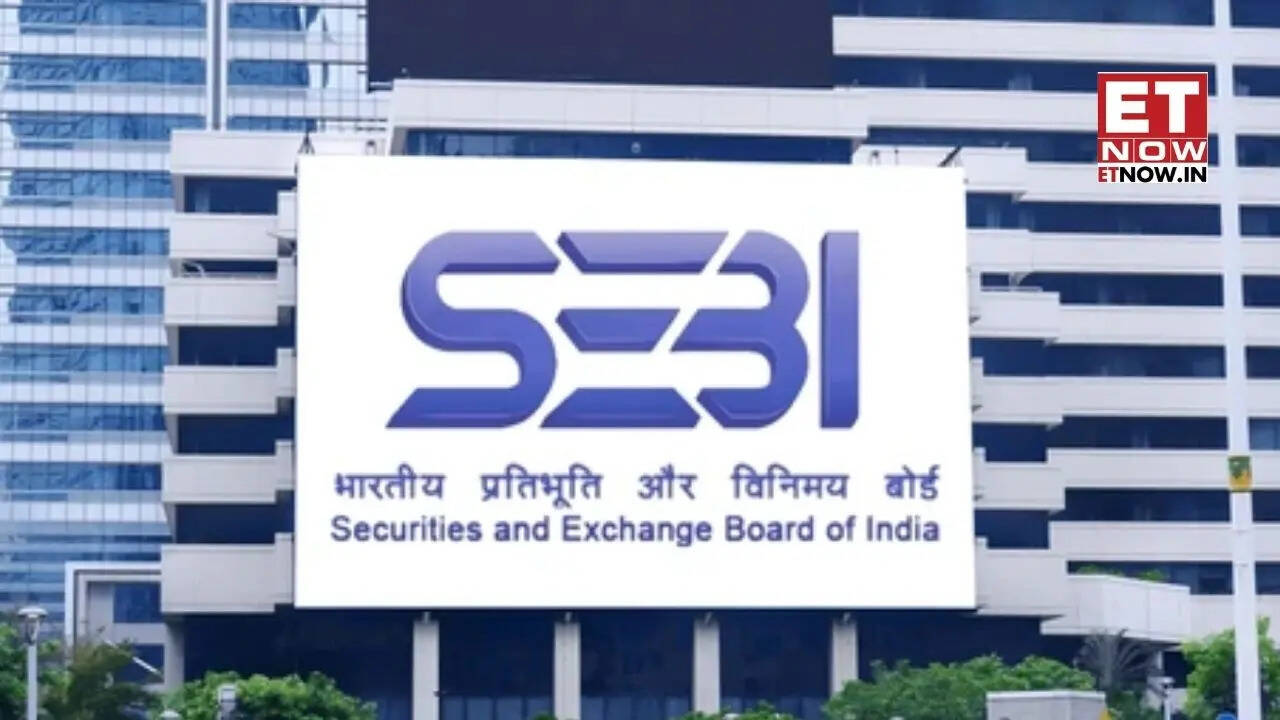
SEBI Halts NCDEX and MSE’s Equity Derivatives Launch, Emphasizing Strengthening of Equity Cash Trading First
You May Also Like



More From Author

“Delhi Metro Extends Late-Night Services on Match Day, Keeping Operations Open Past 11 PM for Fans”